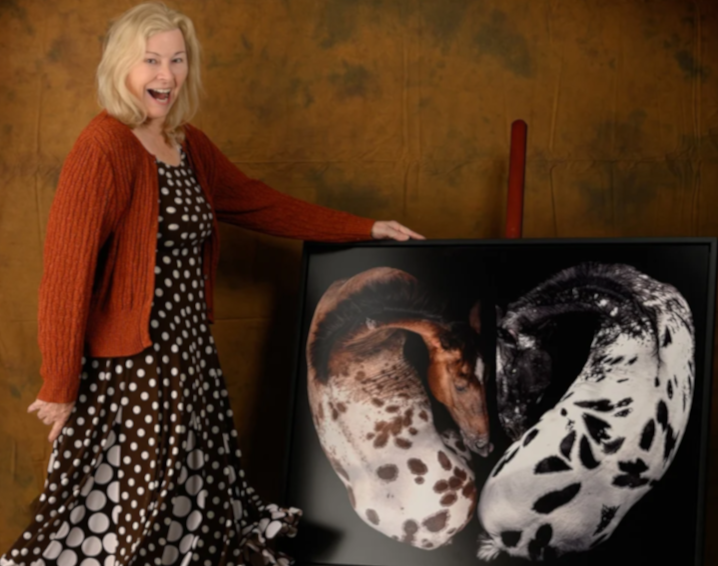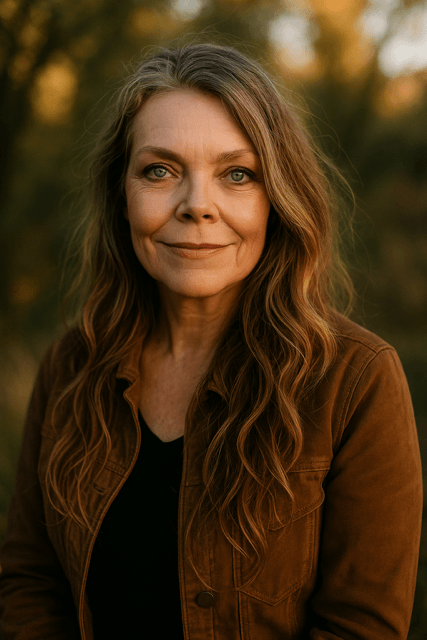
For life-long equestrian Susan McClafferty, photographing horses isn’t just a job. It’s the intersection of everything she loves and is most passionate about. During the week, Susan works as a consultant, bringing innovation, problem-solving, and technical expertise to a large healthcare system. On the weekend, she transforms into an artist who captures horses in ways that challenge everything we think we know about equine photography. This dual existence might seem contradictory, but for Susan, it’s perfect harmony. She brings the problem-solving and technical strengths from her day job into the studio, where they merge with imagination to produce fascinating photos that captivate her audience. “I feel whole when both my logical and creative sides are in balance. When the two of them come together, that’s when I’m happiest.”
Susan’s love for horses stretches back to childhood, where she grew up competing as a hunter-jumper rider, but as her relationship with horses evolved, she found herself drawn to new ways of spending time with them. Today, she owns five horses and enjoys observing them at liberty and simply being in their company. “Horses are the center of my life, the center of my work, and my biggest passion,” she says. This true love and joy for her subjects translates through her work, where each photograph captures not just the physical beauty of these animals, but the deeper connection and understanding Susan had cultivated over decades.
The Journey From Competitions to Studio Work
Susan’s photography journey began nearly twenty years ago in the world of equestrian sports. She started by photographing friends competing in hunter-jumper horse shows and then expanded to polo, combined driving, and thoroughbred racing, to name a few. Susan enjoyed the challenges associated with capturing these sporting competitions and the unique skills needed to get just the right photo. “I was focused on the technical understanding of the camera, especially in challenging light conditions,” she recalls. Those early years taught her to work with changing lighting and to understand her equipment so thoroughly that adjustments became instinctive.
But after years of shooting events, Susan was ready for a change. She decided to test the waters, renting studio equipment for an intensive two-day shoot with friends’ horses. The experience was overwhelming and, at the time, she thought, “I will never do this again. I can’t believe anybody shoots with studio gear and horses. It’s too much equipment to haul around, and it takes so much time to set it up, and figure out how to use it and edit it, and then help the horses cope with it.”
However, when COVID-19 arrived, it brought an unexpected time for experimentation. Suddenly, at home in Virginia with her horses, Susan reconsidered studio photography. She started with one 600-watt strobe, and that quickly grew into an entire set of studio tools to support her new niche. She discovered a creative home in equine studio work, where her talents continue to be unmatched.
Today, while she still occasionally shoots events or dabbles in fashion photography, Susan has found her calling. “My sweet spot, my happy place, is shooting studio photography just of the horse,” she says with certainty. Just horses, captured in ways that reveal their sculptural beauty and individual personalities.
The Creative Vision
Susan’s creative process defies easy categorization. Ideas can come from anywhere: “I can’t say there’s a specific place I find inspiration because it can be from anything. It’s not usually from other horse photographers. It’ll be from fashion or something adjacent to fine art.” This fusion of influences from outside equine photography is precisely what makes her work so unexpected. The ideas come fast and plentiful, as Susan explains, “Generally, I come with way too many ideas. I often show up at a photoshoot with more ideas than I can execute.” But this abundance means she’s never forcing a vision that isn’t working.
What grounds all this creative experimentation is Susan’s unwavering commitment to horse welfare. “The horse decides when we start, and the horse decides when we end,” she states firmly. “Irrelevant of whether I’ve got the shots or not that I want.” She takes her time allowing horses to adjust to the studio environment, to become comfortable with the lights and backdrop. She understands that having the right handler also makes all the difference. Someone who has a relationship with the horse and can help them feel secure, but who also knows when to step back and get out of the shot.
Unlike many equine photographers who chase the perfect pose with ears forward or their head at a certain angle, Susan wants something entirely different. “I love every expression horses have. Horses have so much personality that I just want to capture their actual true essence,” she explains. Susan is documenting who they truly are in that moment, whatever that might be.
This philosophy requires patience and confidence. “I’m not afraid to fail,” Susan says simply. Because she’s shooting for the art itself rather than specific client expectations, she has freedom to experiment. Susan isn’t afraid to test concepts that might not work, or to push boundaries. Sometimes this means attempting multiple renditions of a concept before getting the vision exactly right. Each attempt teaches her something that feeds back into her practice.
Hardest Aspect: Technical-Creative Balance
When reflecting on the hardest aspect of her work, Susan explained that it is “the combination of creativity and technical knowledge.” Even considering just the basics of studio photography, it’s common for people to become overwhelmed. The equipment alone represents a significant learning curve, and managing horses in that particular environment multiplies the complexity.
Susan’s background in IT gives her an advantage. Her ability to grasp technical concepts, solve problems, and lead people are all skills that translate directly to her photography. She can manage the equipment side without it consuming all her mental energy, leaving room for the creative vision to emerge.
What She Wants Collectors to See
When Susan thinks about how collectors might respond to her work, she hopes for a specific reaction: “I hope they think it’s modern and contemporary and something they’ve never seen before.” She wants people to look at her images and feel surprised, intrigued, and challenged in their expectations of what equine photography can be.
Equally important is what isn’t in her images. “My images are not created with Photoshop,” she emphasizes. The drama, the sculptural quality, and the striking visual impact all come from understanding angles and leveraging camera and lighting techniques. Susan particularly values the reactions of horse owners who see their animals captured in entirely new ways, discovering aspects of their horse’s beauty or personality they hadn’t fully appreciated.
Colorful Coats
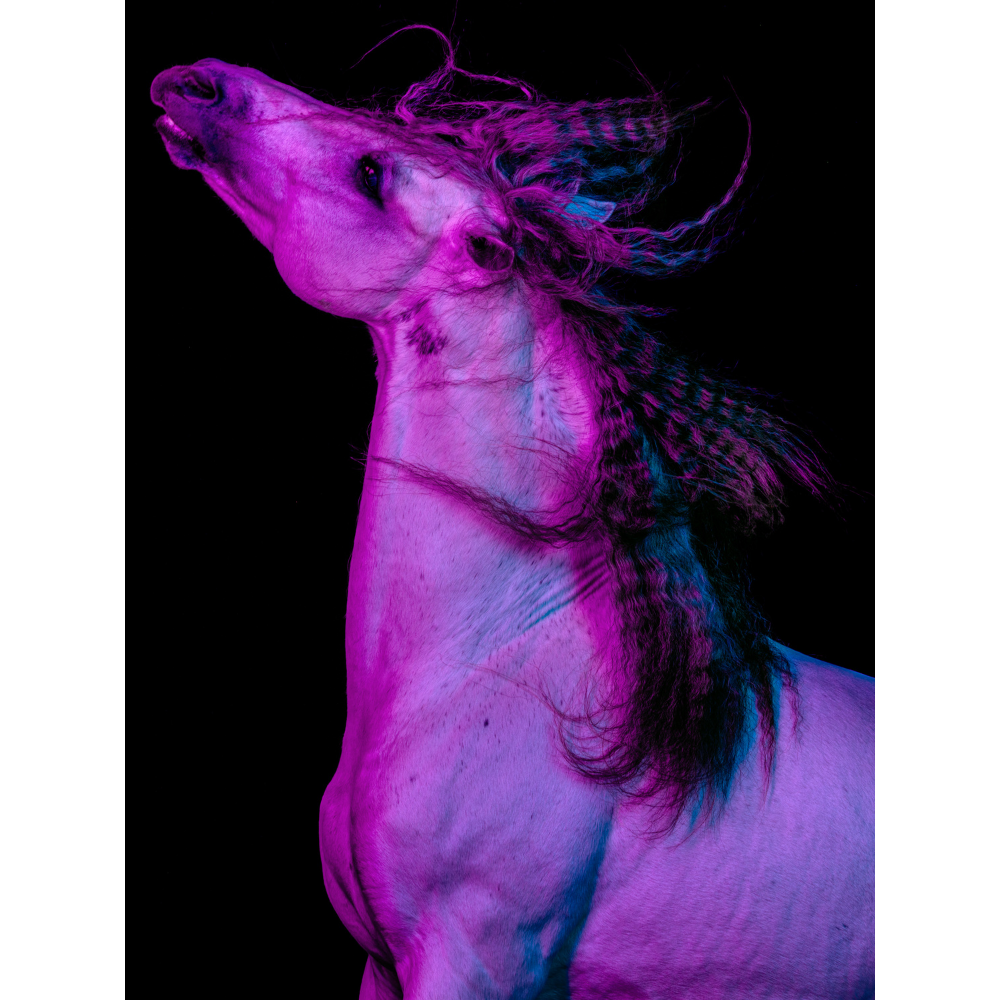
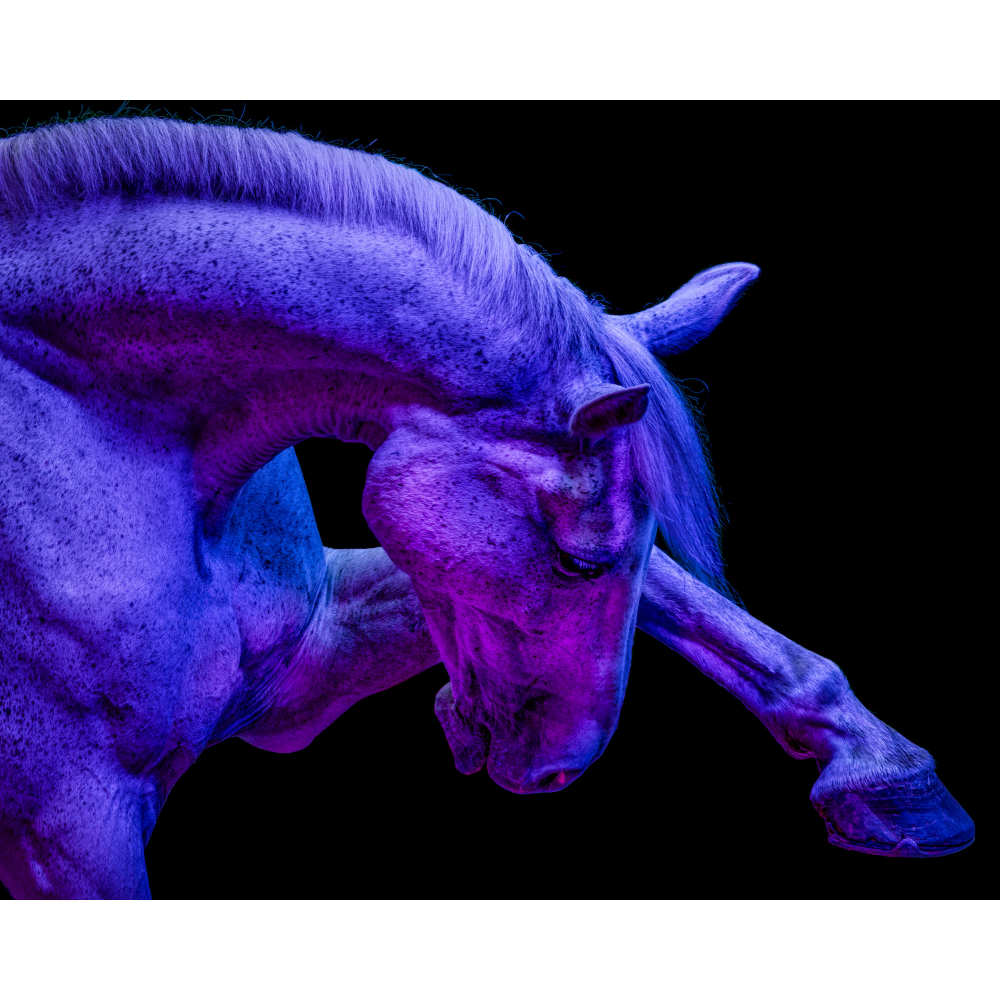
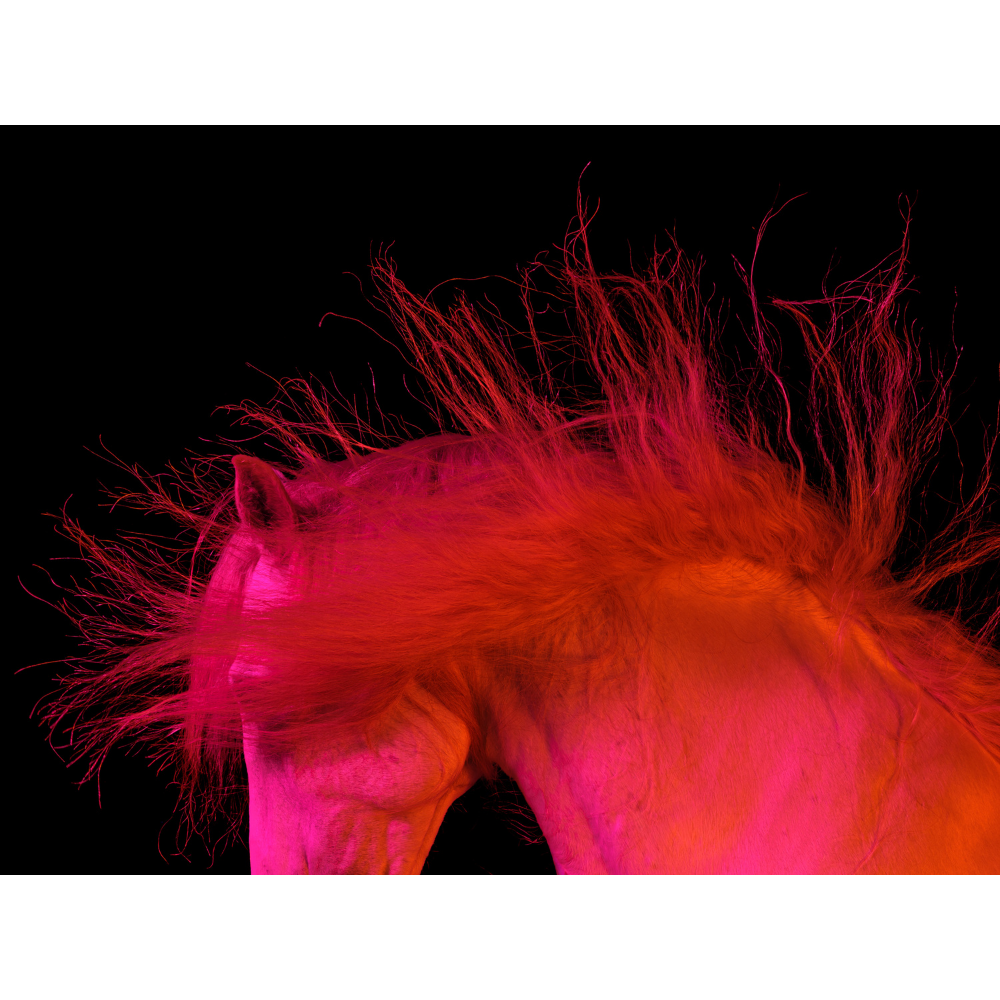
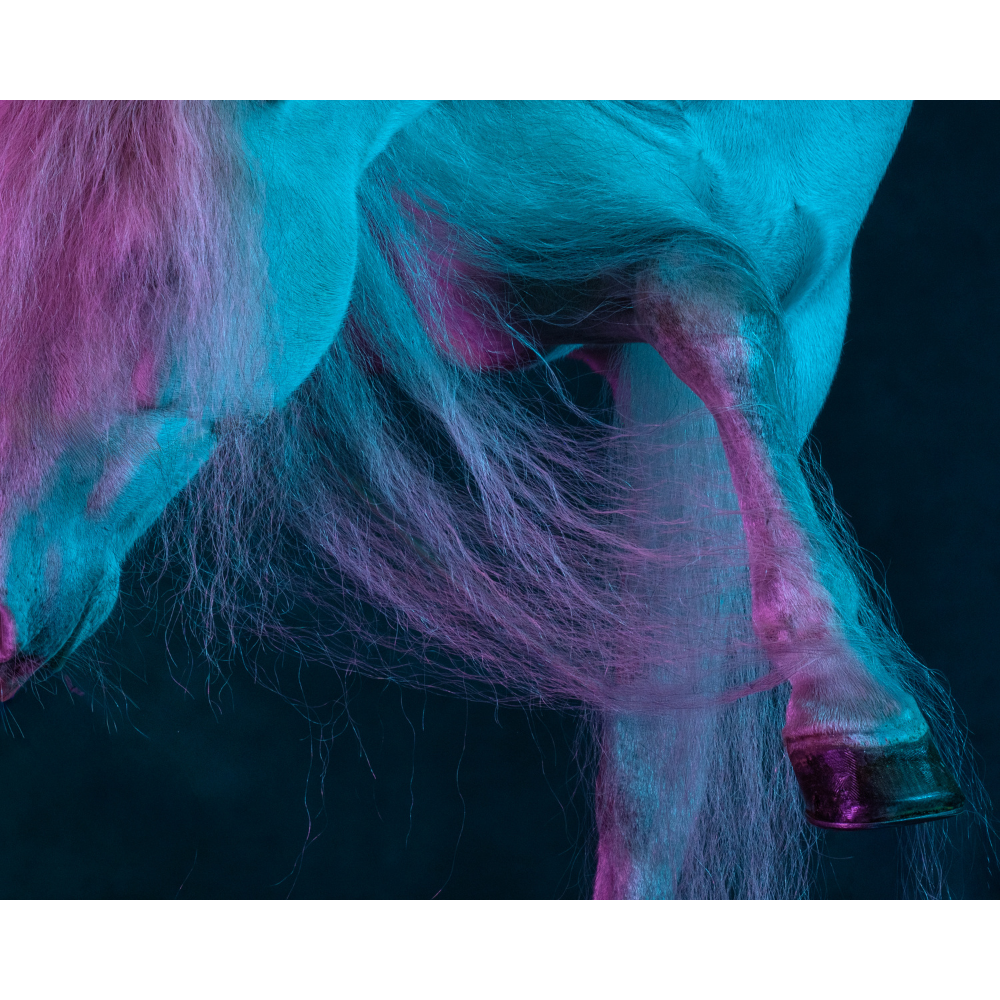
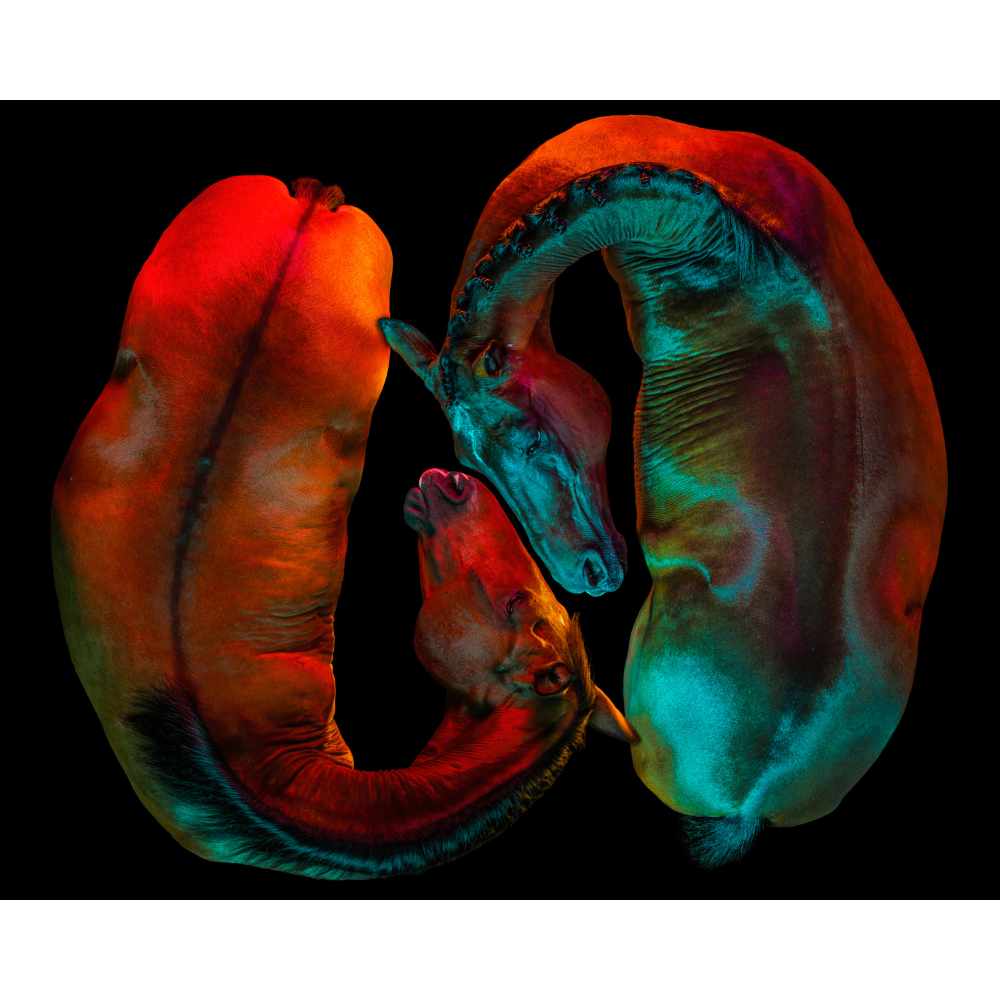
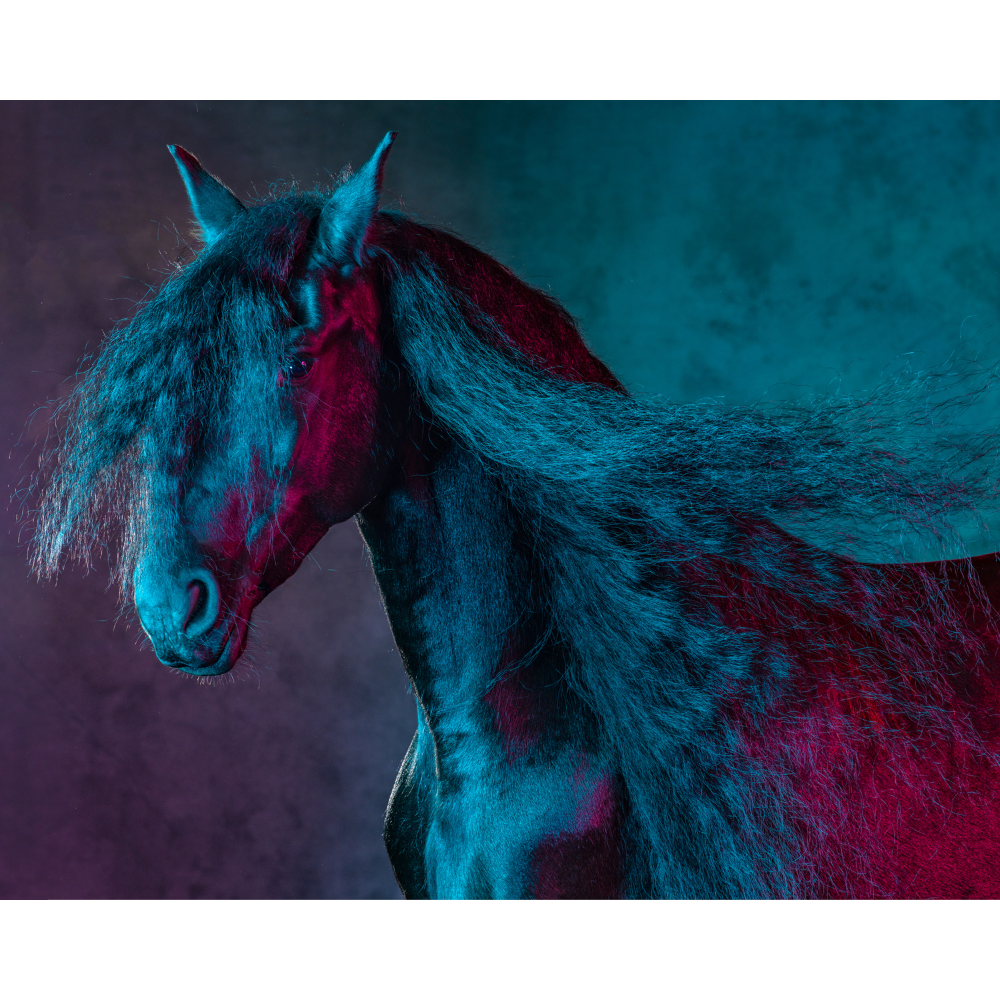
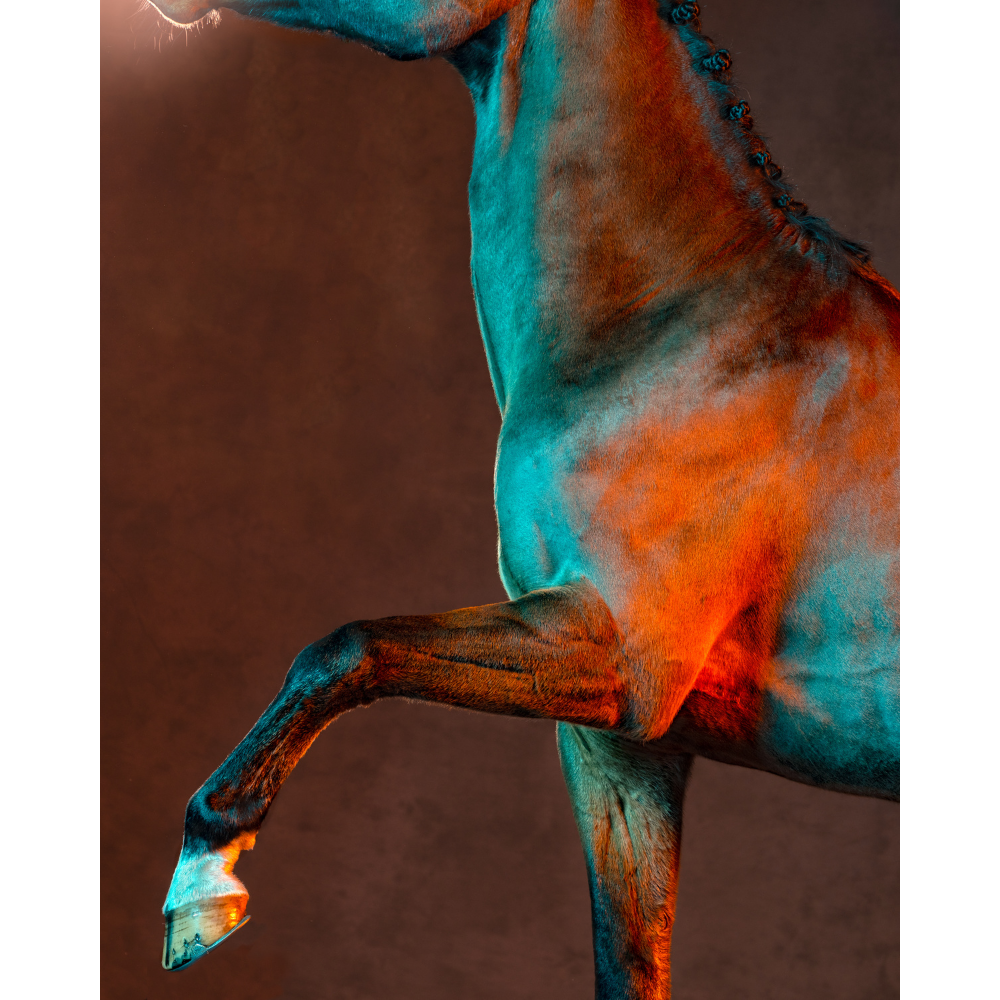
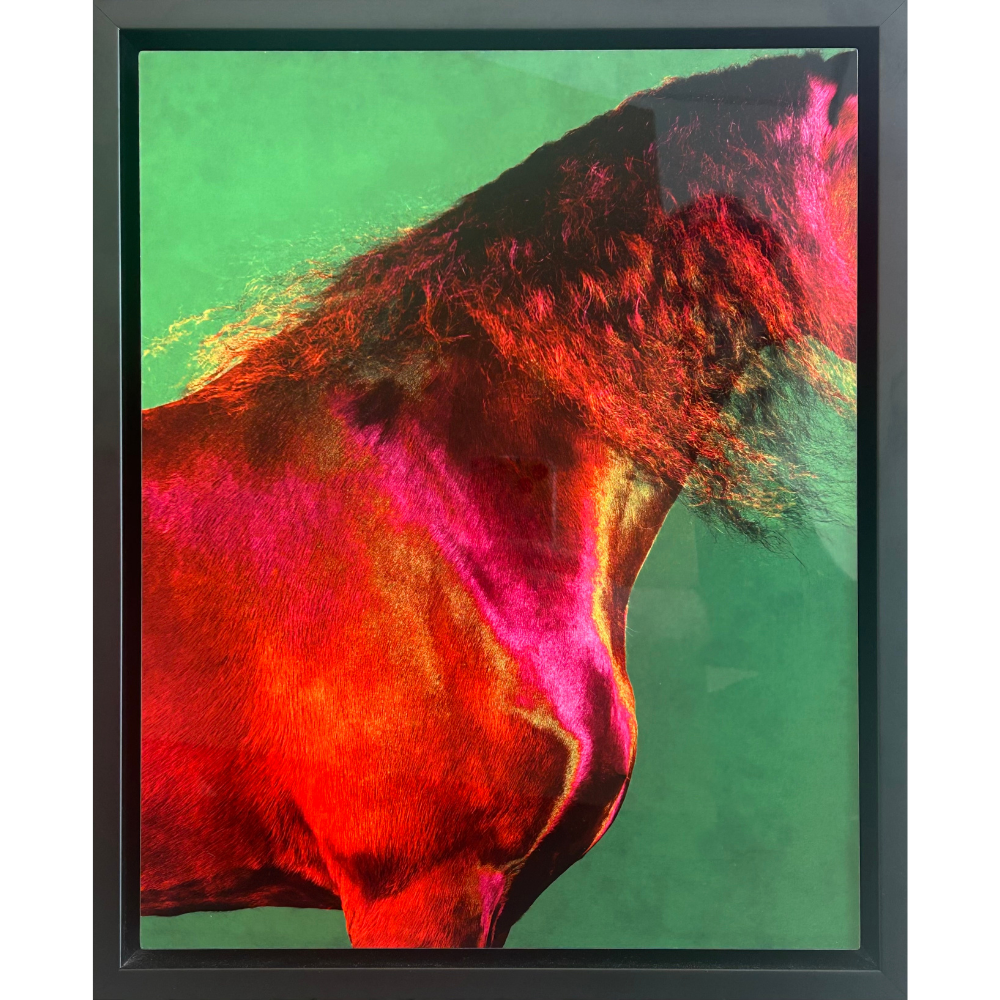
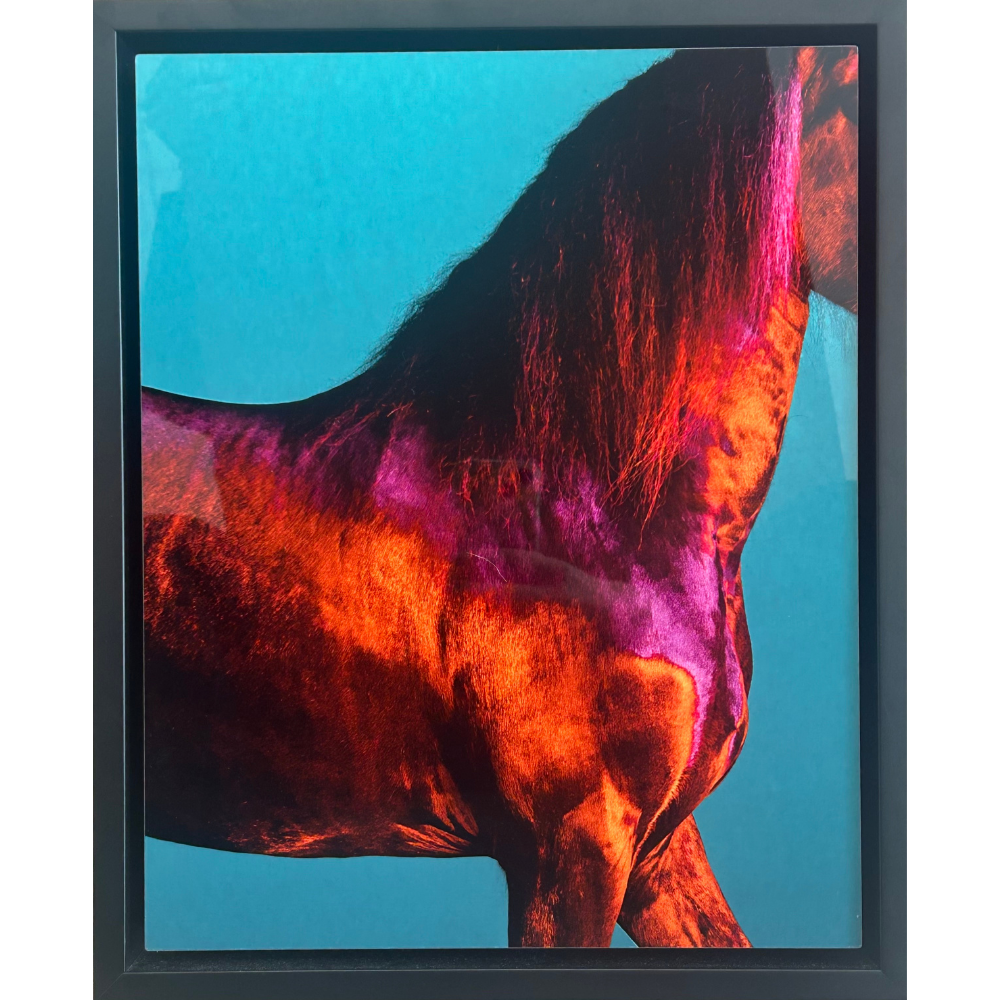
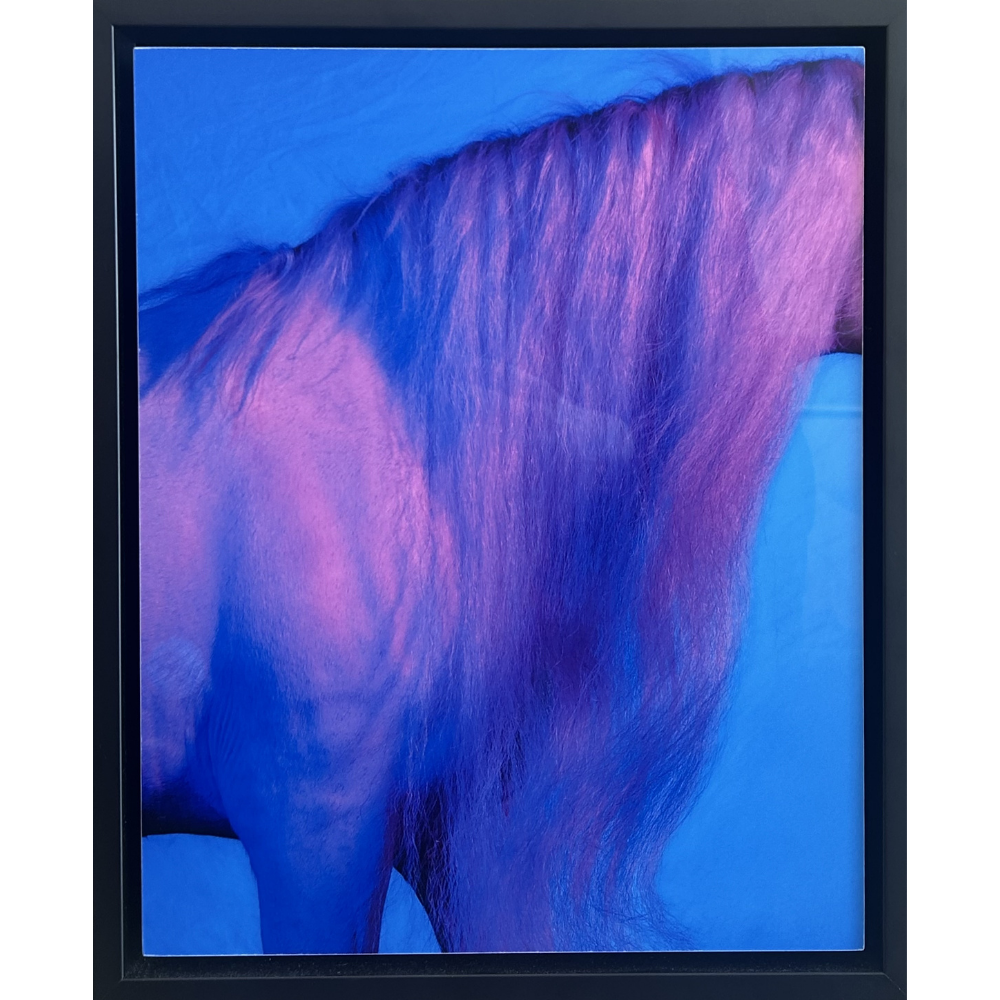
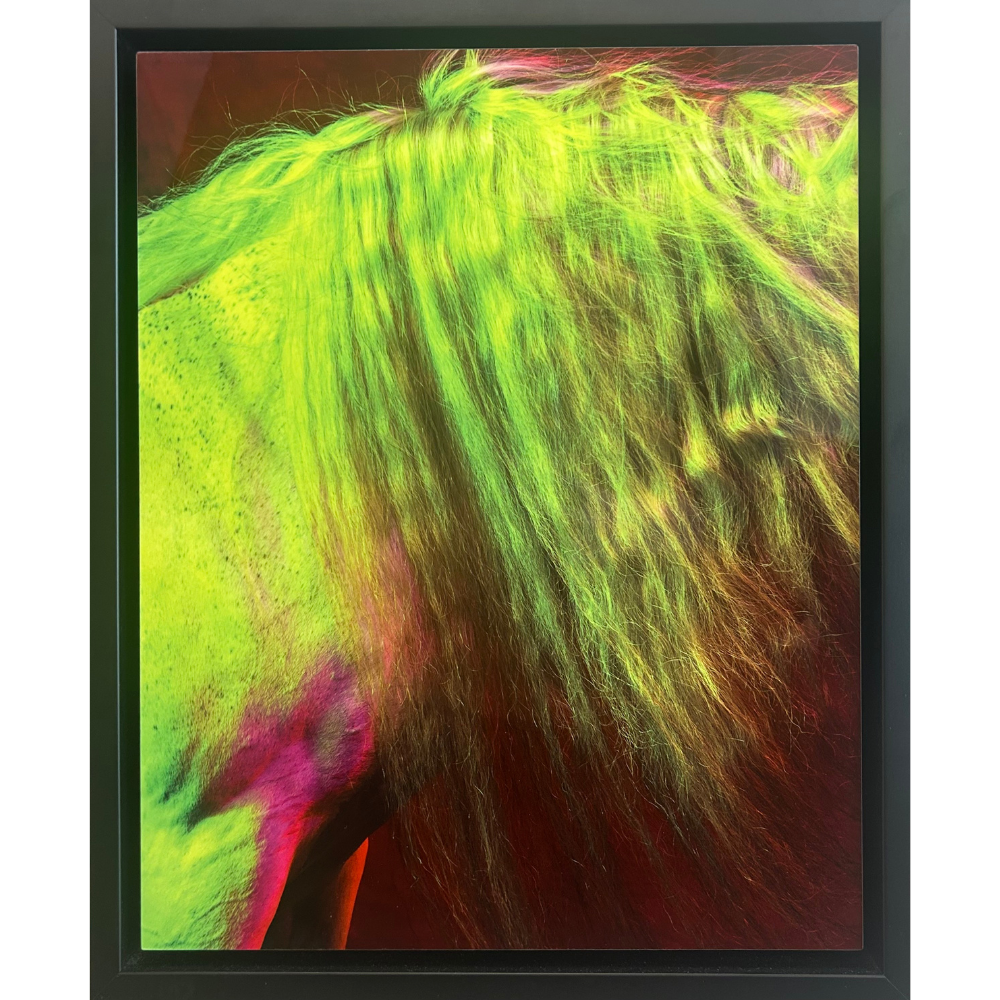
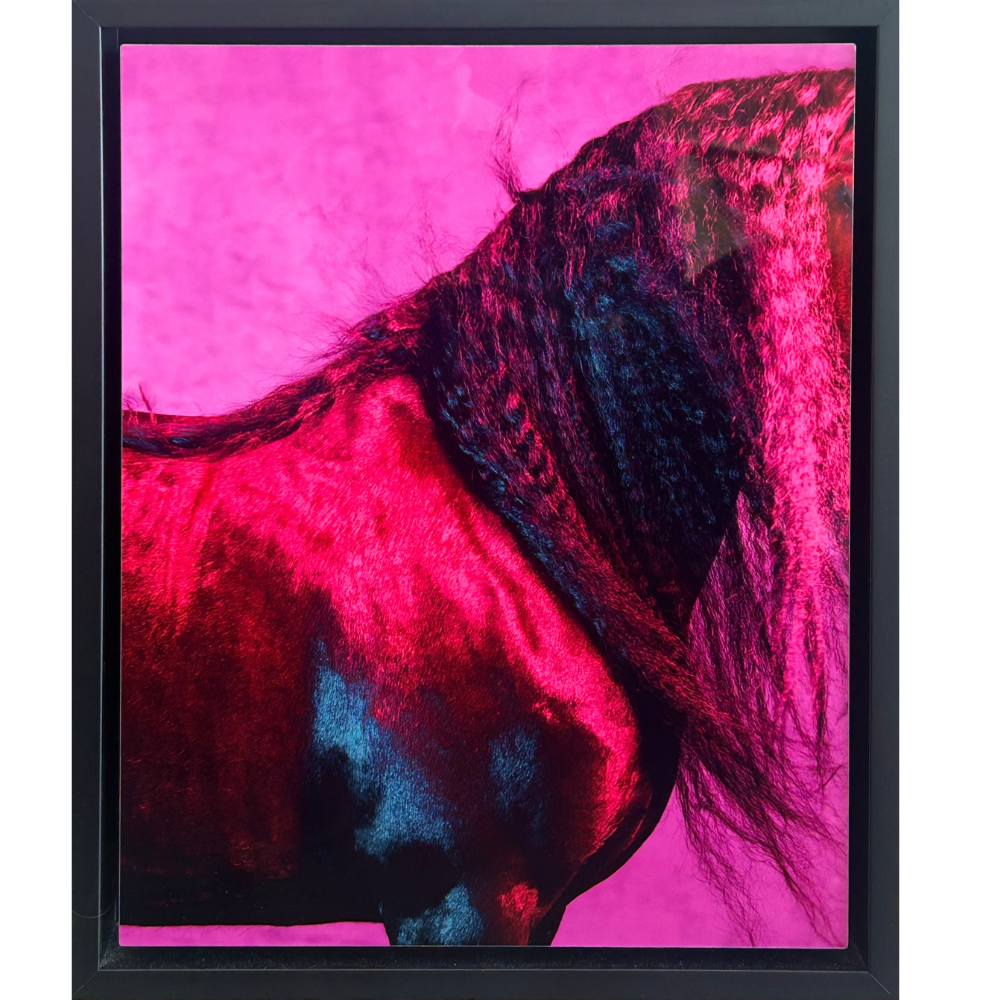
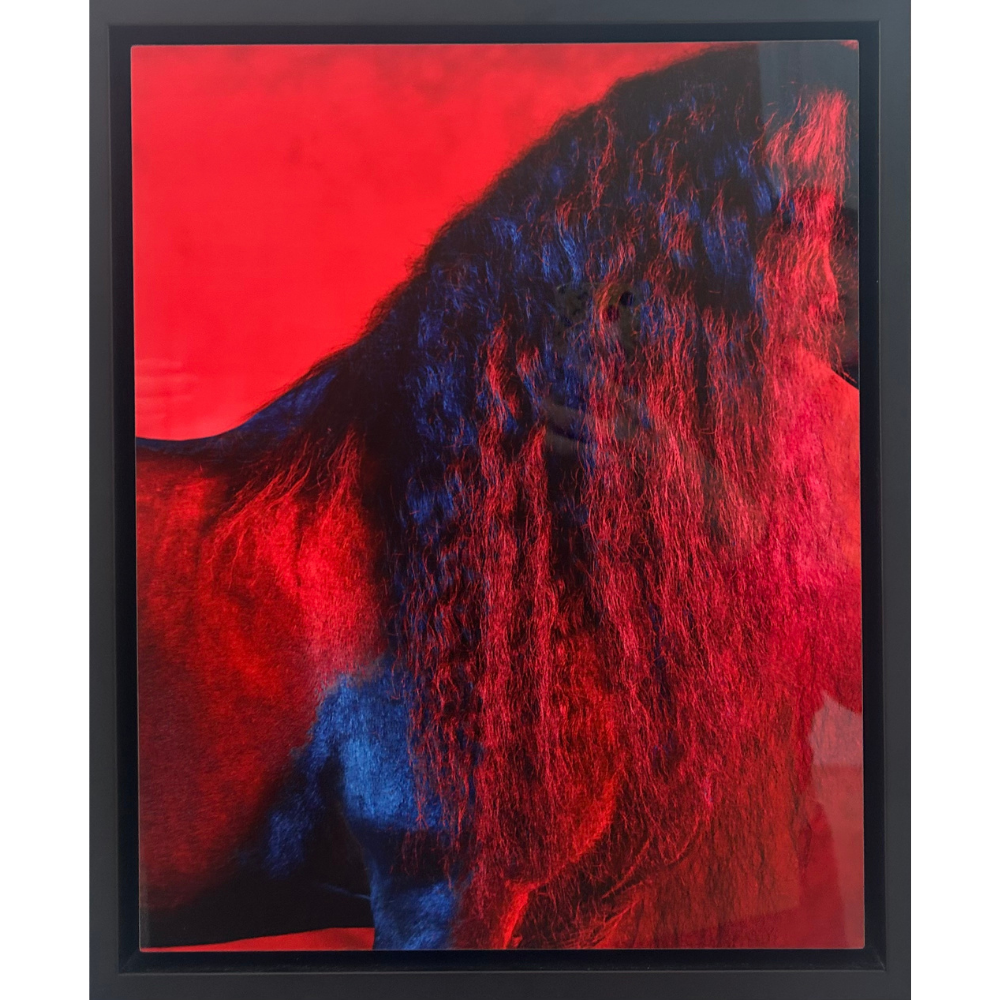
Susan’s work organizes itself into distinct series, each exploring different aspects of equine beauty. Colorful Coats represents some of her most visually striking work. She brings color gels into the studio and plays with how different color combinations projected through light interact with the horse’s natural coat color.
“Lilac Fizz 1,” features a Warlander stallion from Texas, exemplifying the collection’s appeal. “He was spectacular,” Susan recalls. “I thought he was a very interesting horse with a lot of energy and presence.” Susan may ask a handler to create a specific shape in the horse but then she wants them to stand back so their authentic behavior shines through to create compelling images, and this particular horse delivered dramatic moments that made the session exceptional.
Painterly Patterns
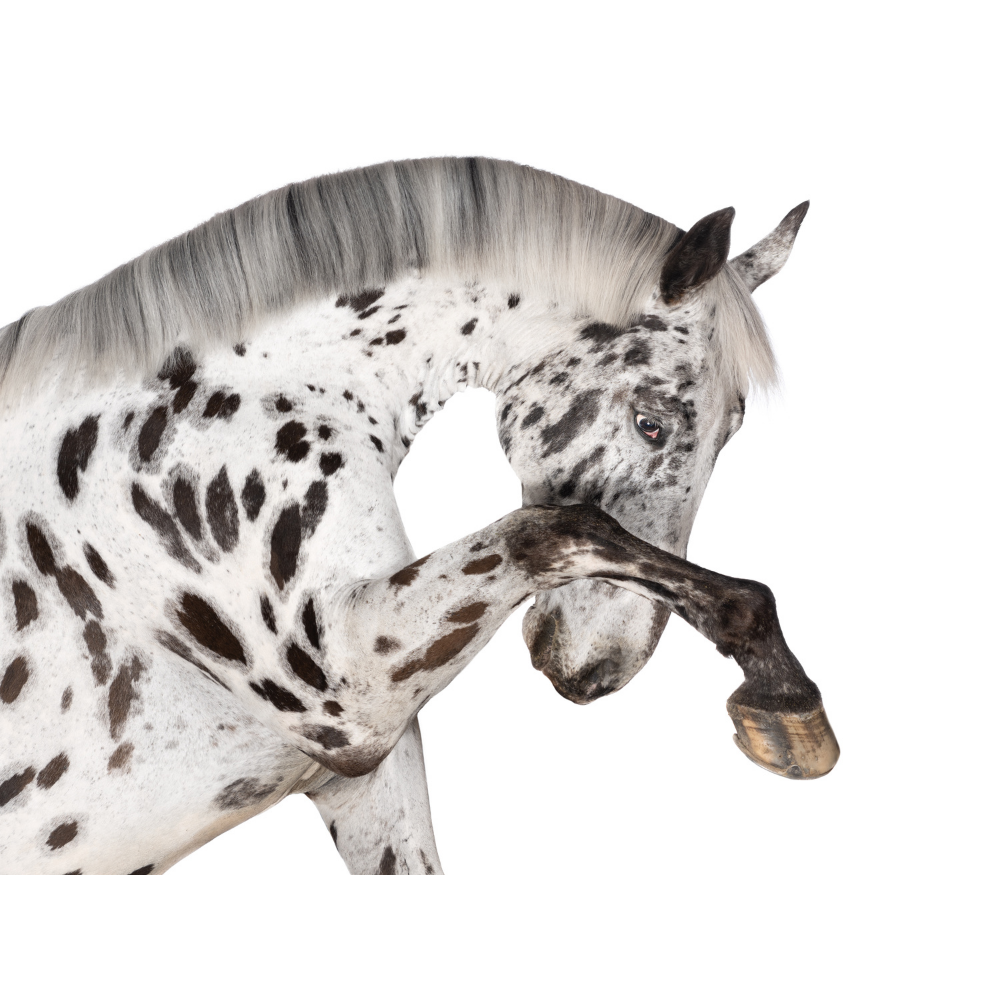
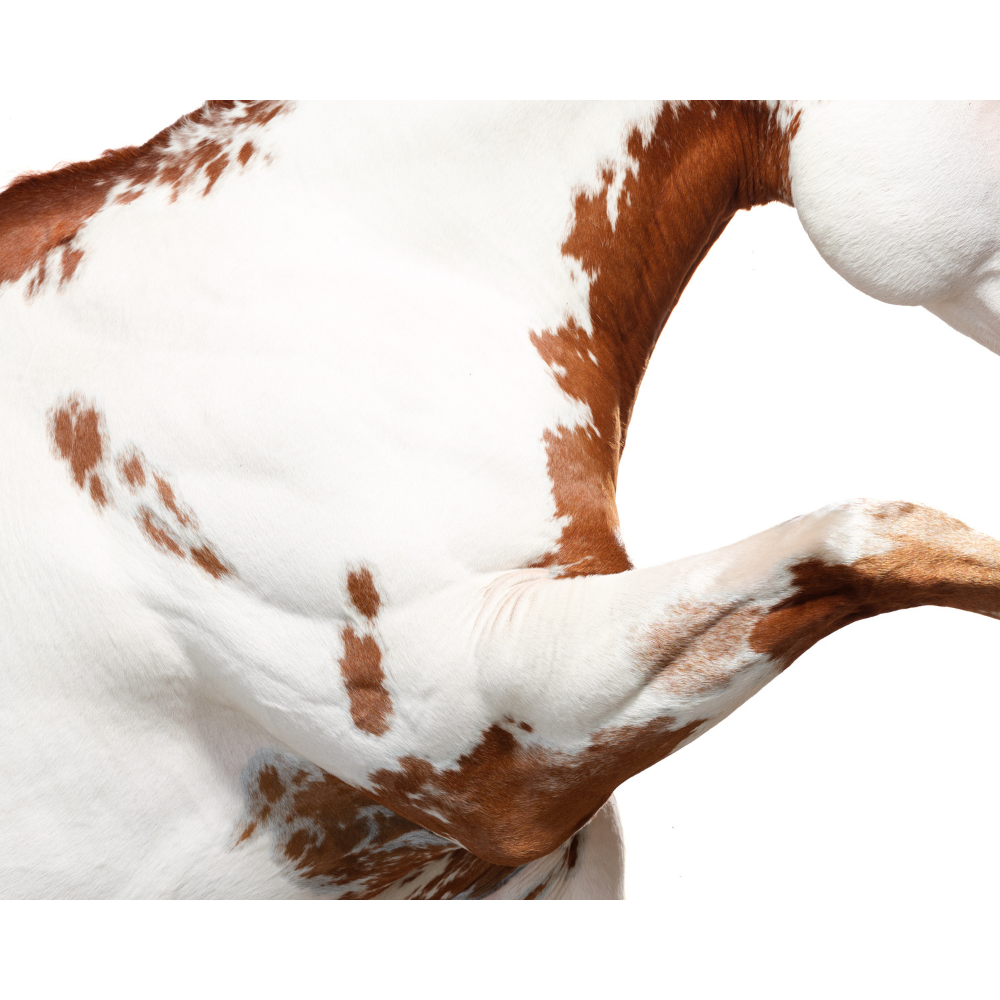
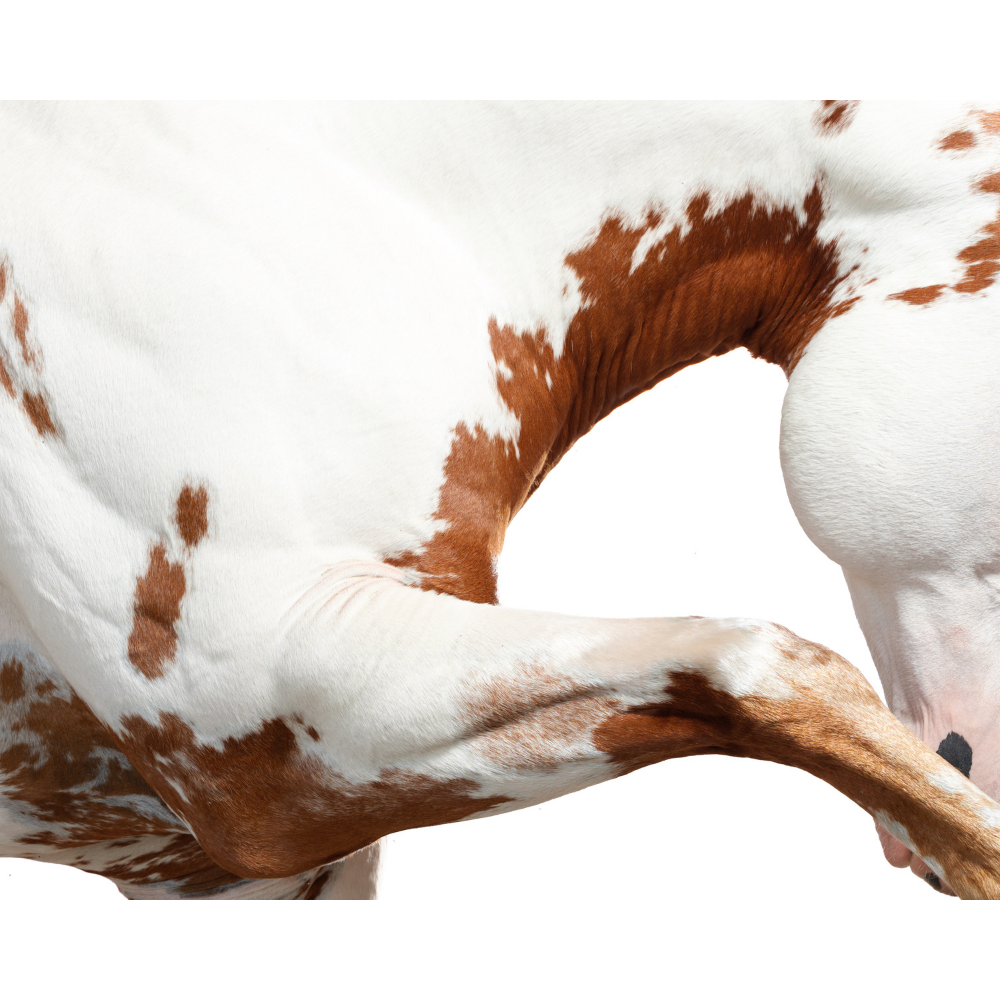
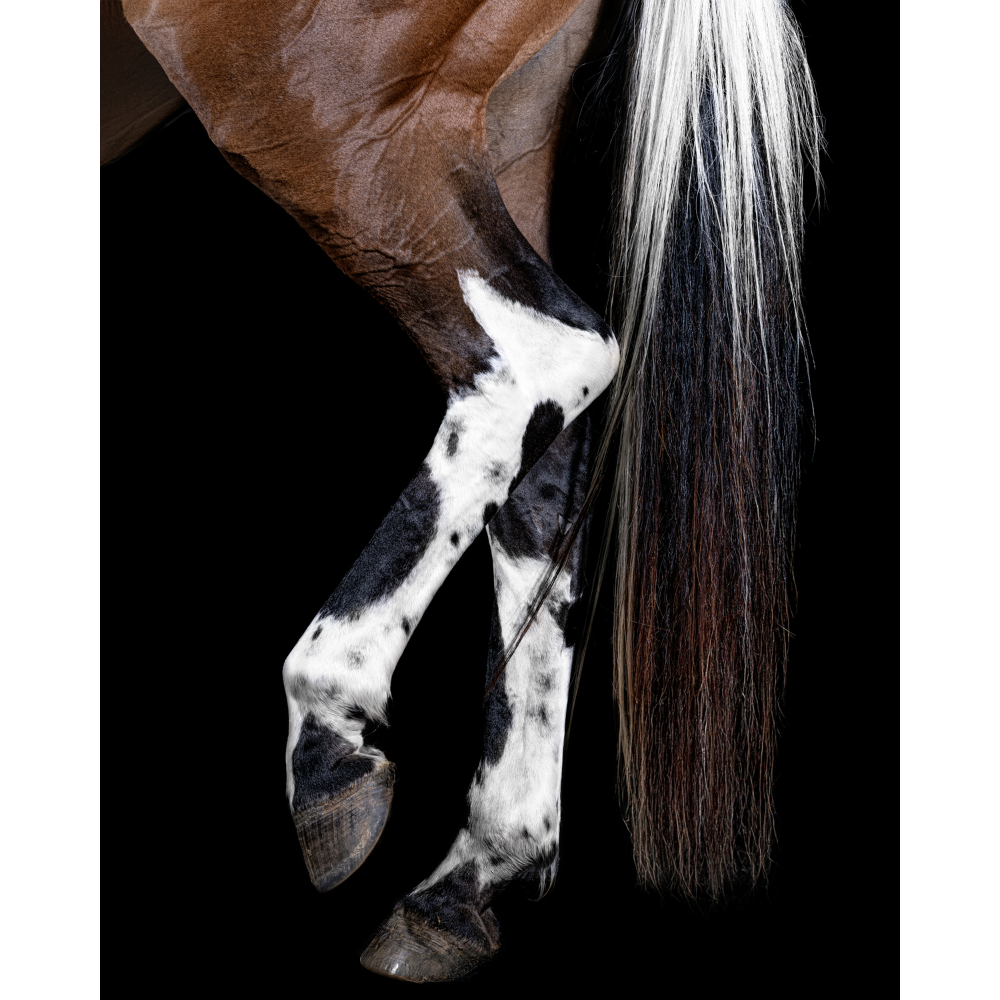
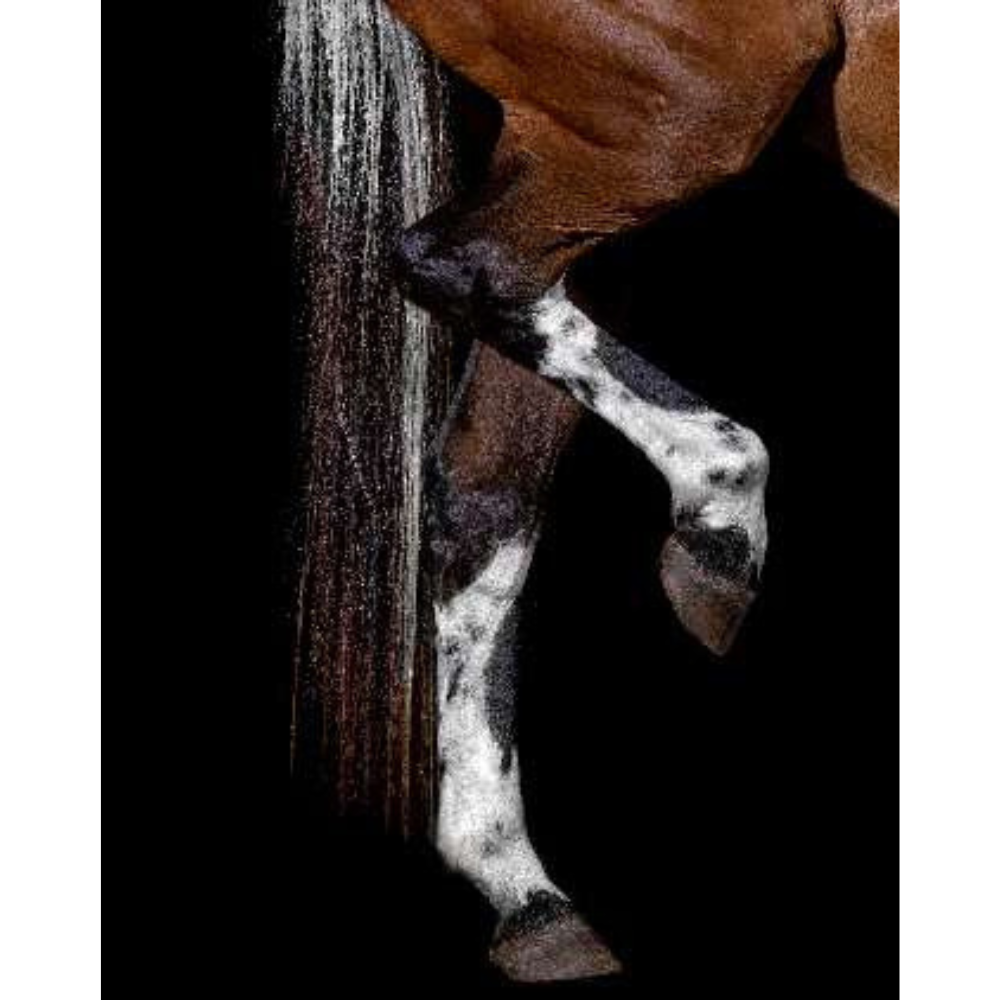
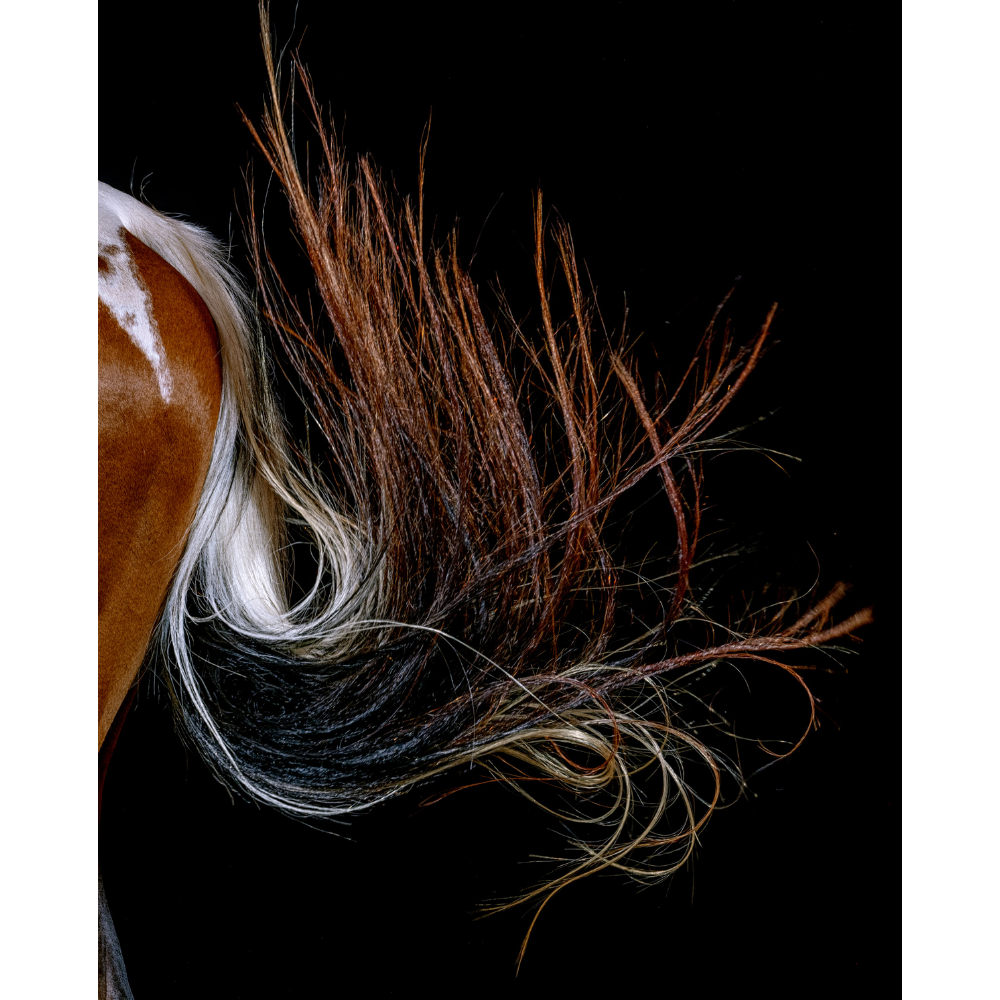
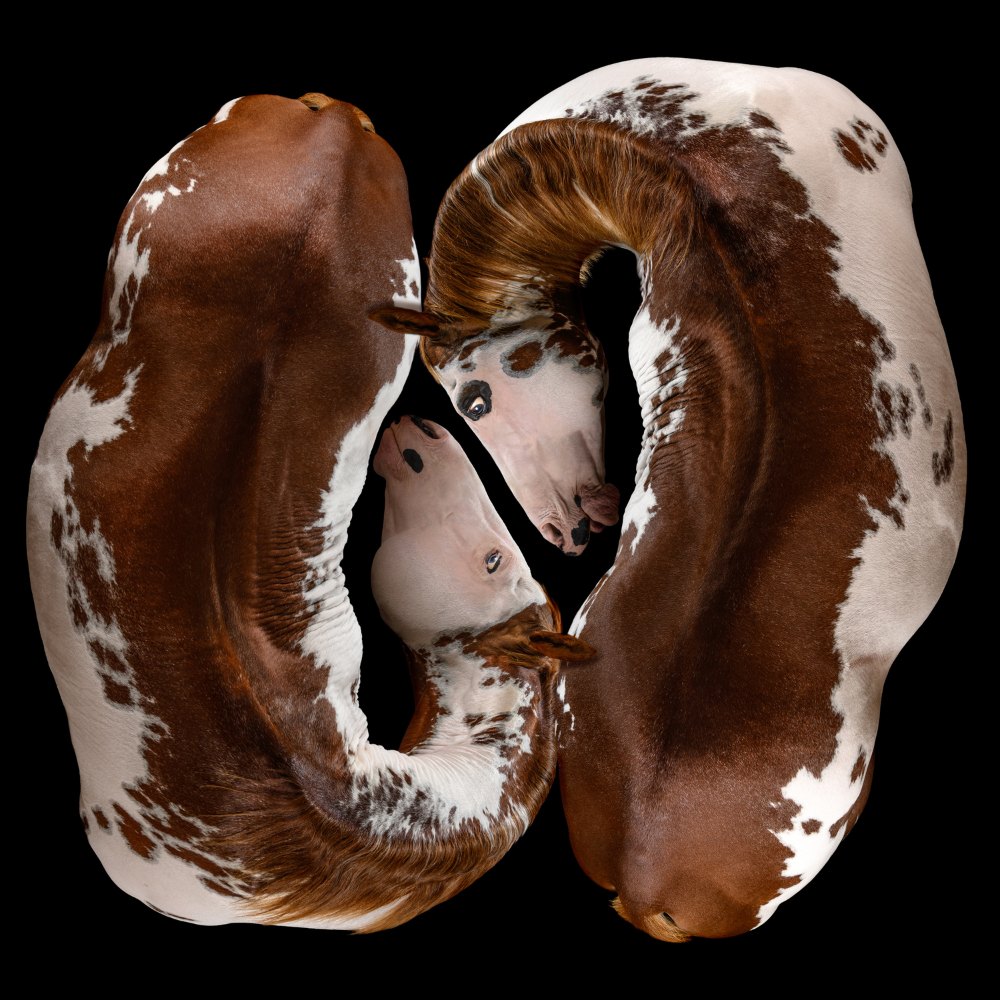
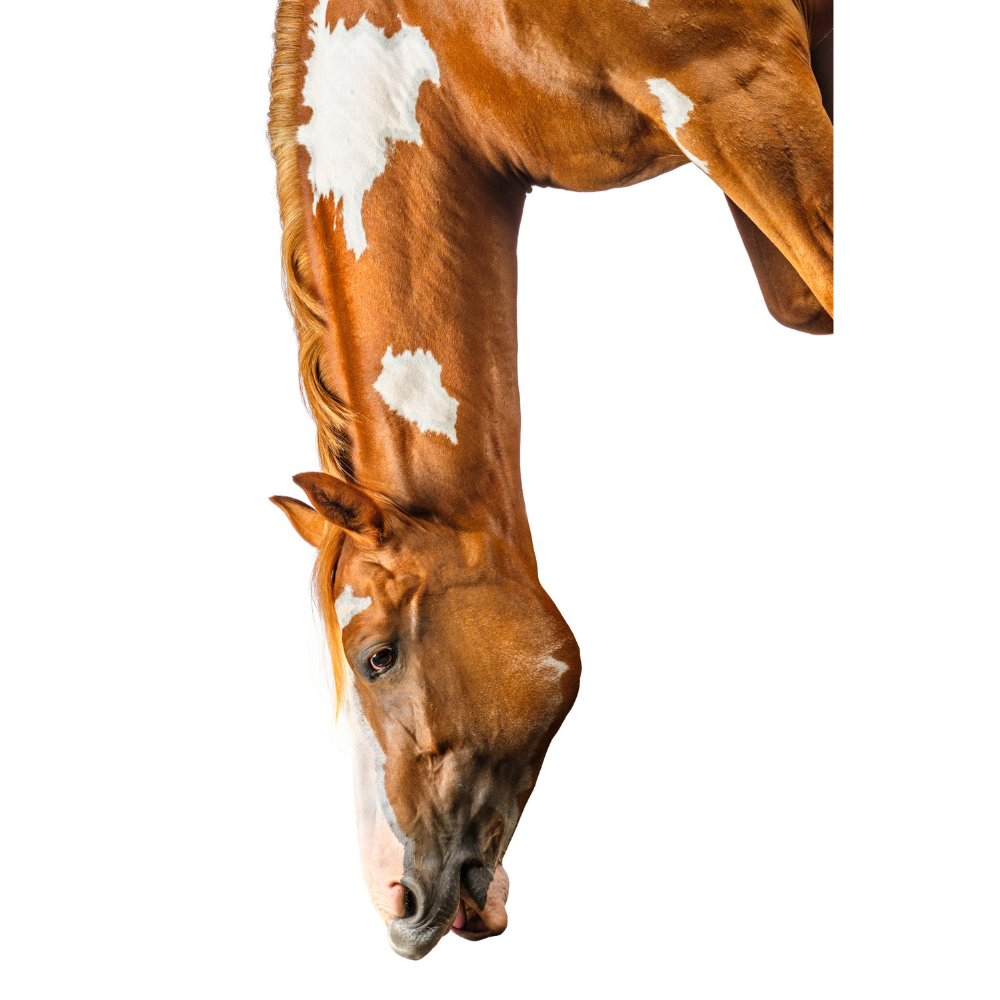
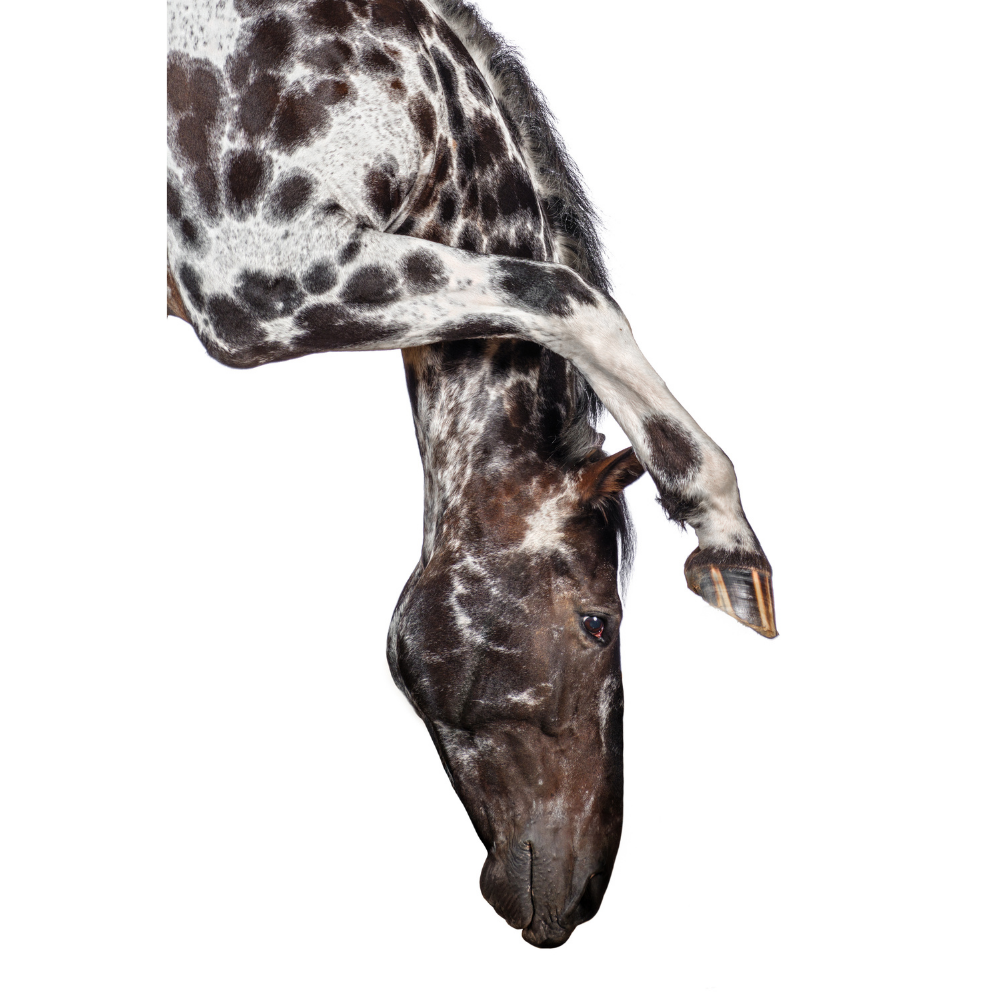
Another signature series of Susan’s, Painterly Patterns, takes an entirely different approach, focusing on horses whose coats themselves create visual interest: pintos, appaloosas, dapples, and roans. Where Colorful Coats uses light to transform solid horses, Painterly Patterns celebrates horses whose natural markings already provide drama.
“Seeing Spots 1,” features a leopard-spotted show jumper Susan discovered competing at WEC-Ocala, demonstrating what draws her to certain subjects. “I saw a photo of him on social media jumping spectacularly and immediately knew I had to meet this horse and photograph him,” she explains. Although it’s not as uncommon as it used to be to see horses with coat patterns in the jumper ring, it’s still something that draws Susan in. The studio is an unnatural situation to bring horses into, and there is something about that which allows Susan to observe their genuine selves. “From a photography perspective, I can see a different personality in a horse than the owners do sometimes.”
The Artist Behind the Work
Posed with the question of what ice cream flavor she’d be, Susan’s answer is telling. “Moon Mist. It has blues and pinks and purples. I think I would have to pick that. I would want something colorful because I do love to be in any extreme of colors.”
That answer captures something essential about Susan’s artistic vision. She’s not interested in subtle or safe. She wants bold, striking, and unexpected; it’s the ice cream equivalent that defies conventional expectations with its vibrant swirls of color. Just as Moon Mist ice cream makes you pause and wonder about its combination, Susan’s photography stops viewers in their tracks with its distinctive approach to familiar subjects.
Art That Lives Where You Live
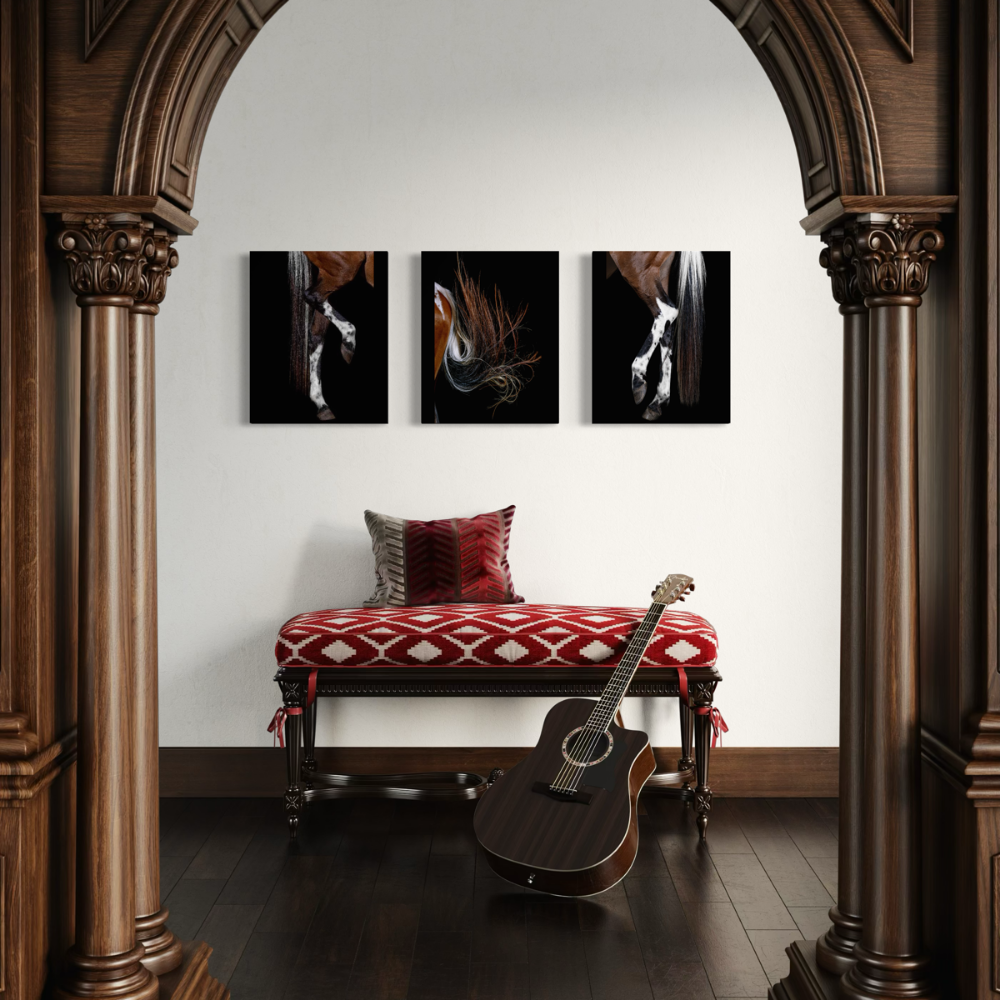
Susan McClafferty’s work represents the bridge between technical mastery and creative vision, of deep respect for horses and bold experimentation with how we see them. Her studio photography doesn’t just document horses, it reveals them as sculptural subjects. Explore more of her artwork online at equineinstincts.com or in person at our Pop-Up gallery outside of Indoor Arena 2 at the World Equestrian Center.