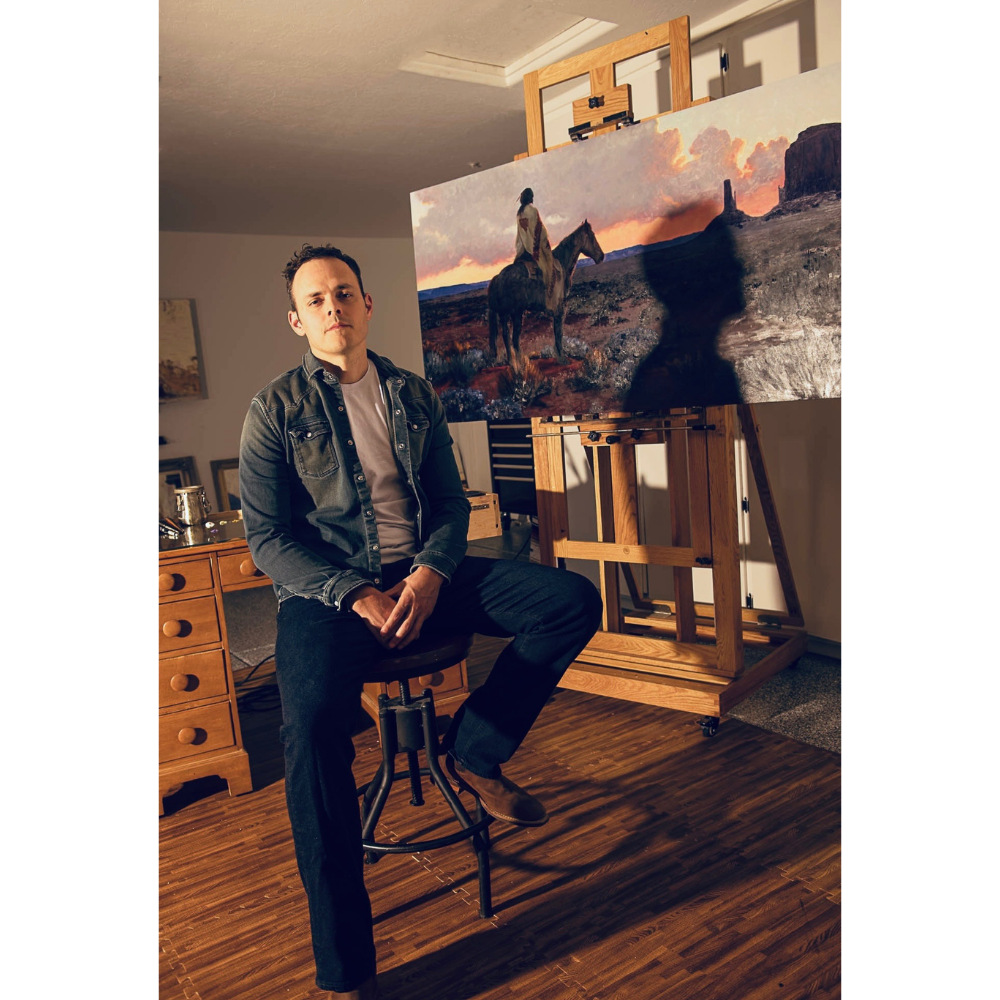
Meet Tony Shipley

For Tony, the journey to becoming a full-time artist was one of patience, much like the craft he practices today. His artistic roots stretch back to high school, where he first started his journey creating pencil drawings.

For Tony, the journey to becoming a full-time artist was one of patience, much like the craft he practices today. His artistic roots stretch back to high school, where he first started his journey creating pencil drawings. Throughout his adult life, Tony had a creative calling, but it wasn’t until he discovered wood turning and blacksmithing that he found his true passion. Fellow artist and Equine Instincts co-founder, Tammy Tappan, doesn’t hesitate to admit, “Tony is one of our most versatile artists.” But that versatility came from decades of exploring different mediums. Upon retiring, Tony felt like he could finally dedicate himself to what had been speaking to him all along. Now, with hands seasoned by his years spent in exploration and eyes trained to see beauty where others might initially miss it, Tony transforms raw wood into artworks that reveal nature’s hidden craftsmanship. Each piece displays a story that Tony simply helps bring to light.

What Does the Creative Process Look Like?

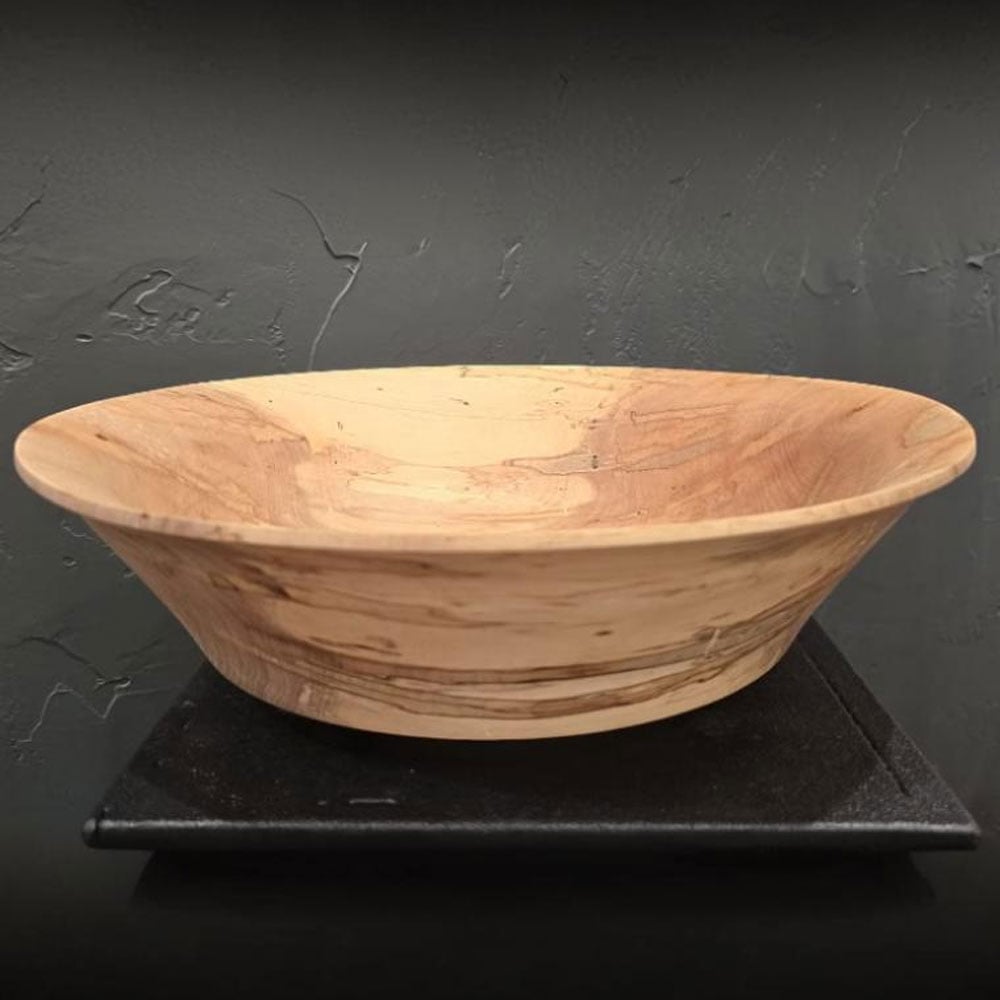
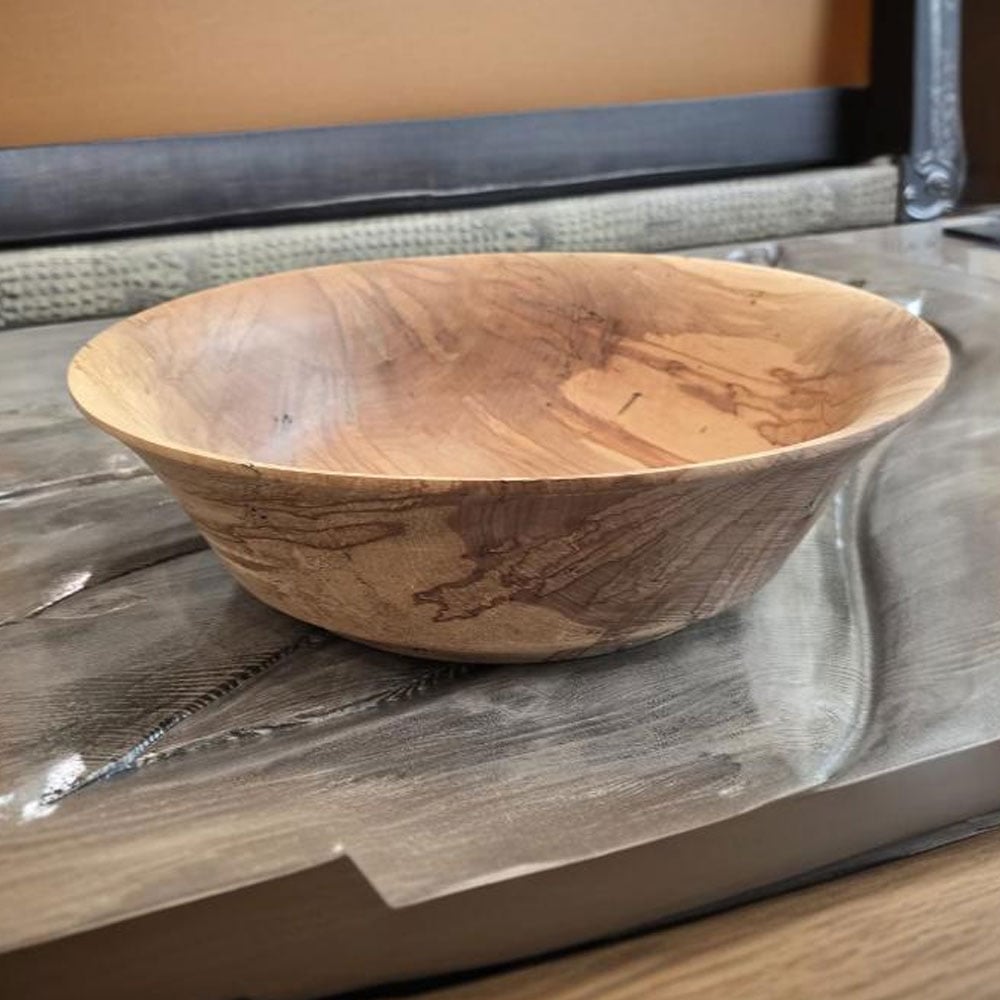
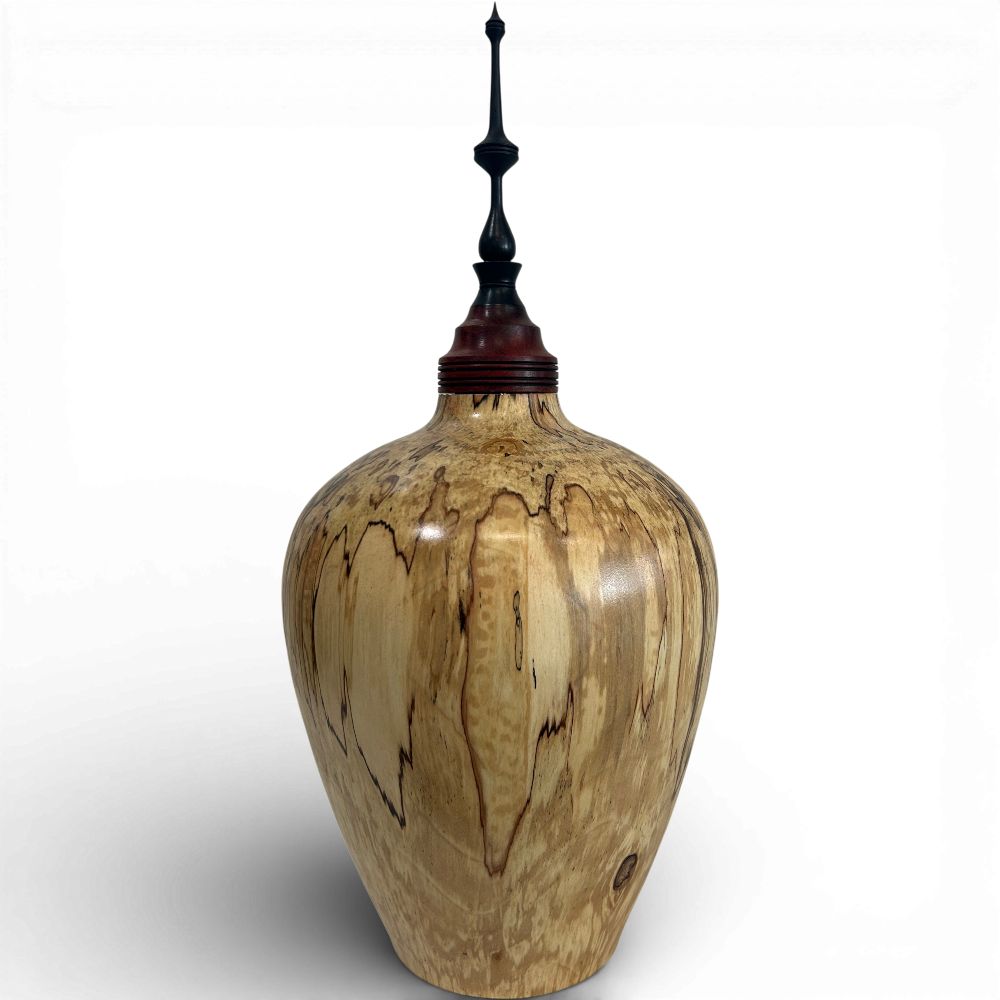
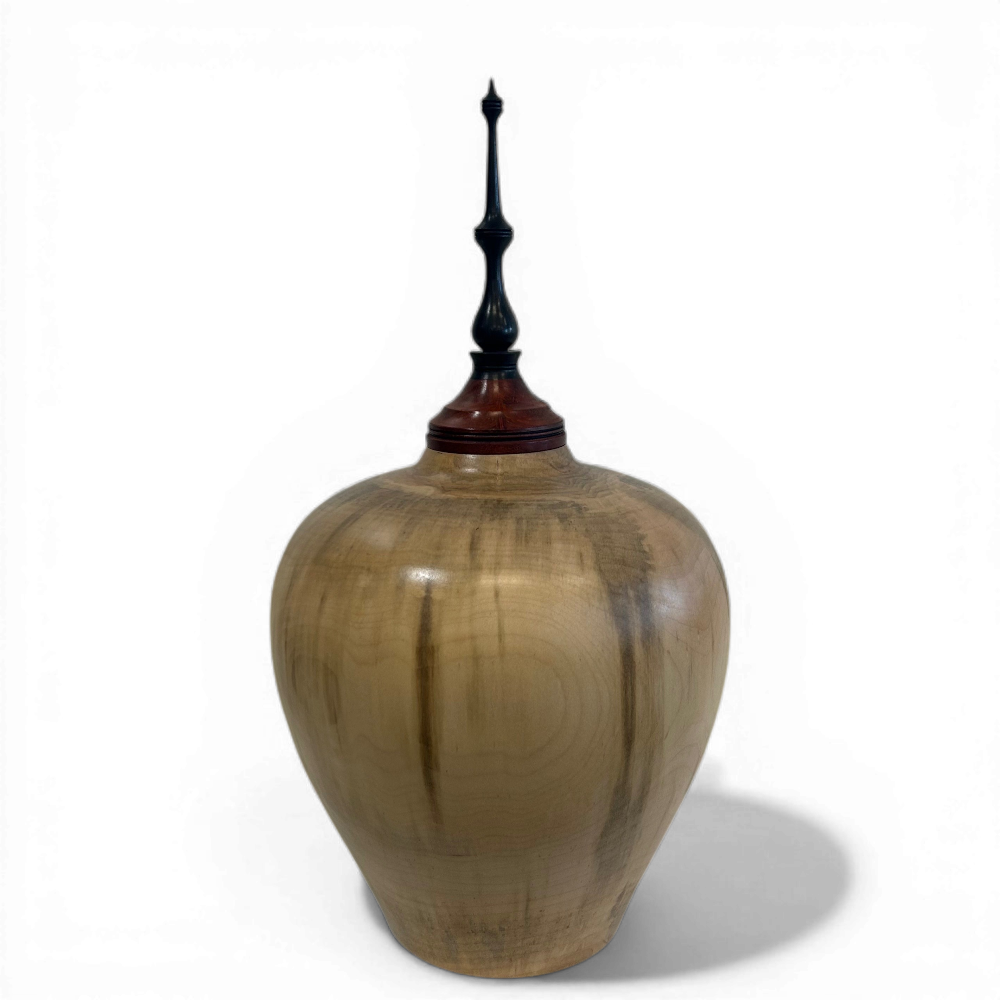
Tony’s creative process begins not in the studio, but in the wilderness. He harvests every piece of wood himself, sourcing from the forests of East Tennessee, North Carolina, and Florida. This close relationship with the materials starts at the source because he searches for something most people would overlook: imperfection. “I look for color, characters, and signs of bugs because it beautifies the wood,” he explains. Where others might see damage, Tony sees potential. Signs of a beetle having been in the tree is not destruction, it’s an artist’s collaboration with nature. The beetle’s presence leaves behind a trail of color and character that couldn’t otherwise be planned or replicated.

Maple stands out as Tony’s favorite wood to work with, prized for its bold characteristics and unpredictable beauty. “It’s fun because you don’t always know what is going to show up in that piece of wood. You never know what you’re going to find, and you get surprises,” Tony says with genuine excitement. Even with maple being his favorite, Tony still approaches each piece with openness and is willing to try any wood at least once.

But perhaps the most remarkable aspect of Tony’s process is what happens after he brings the wood home. The work requires extraordinary patience before it can be completed. After rough turning each piece and dating it, Tony must set it aside to dry. Wood dries very slowly, at a rate of just one inch per year. Pieces can sit for anywhere from four months to a year and a half before they’re fully dry and ready to be finished. The rough turning helps accelerate the drying process, but there’s no rushing this timeline. Only once the wood is fully dried can Tony return to shape and define the final piece, and finish a vision that may have begun a year prior.

Inspiration

Tony is an artist who remains curious and eager to learn. When discussing his inspirations, he explains, “The whole art world to me is fascinating. The talent of people out there is amazing”. Rather than viewing other artists as competition, Tony sees them as teachers and motivators. “Being inspired by other people’s talent pushes me to do better.” Throughout his journey, he’s intentionally surrounded himself with artists he considers more advanced, understanding that growth comes from reaching beyond your current abilities.

But Tony’s deepest inspiration comes from the wood itself. Finding a piece with exceptional character, knowing he can bring out its hidden beauty, that’s what drives him and his creative process. Sometimes Tony’s initial vision for a piece completely changes once he begins working with it. The wood’s characteristics might take him in directions he never anticipated, and Tony has learned to follow where the material wants to lead.

Tony’s philosophy guides everything he creates: “The great creator made all of this wood, I’m just exposing it for your enjoyment.” It’s a humble perspective that further inspires how Tony approaches each piece. He’s in partnership with it, revealing what was always there and waiting to be seen.

Evolution as an Artist

Reflecting on his journey, Tony values how far he’s come. “My work has changed a lot since I’ve first started. I’ve learned so much and have had time to practice and hone my skills,” he notes. His commitment to learning from masters in the field has been essential to his development. “In the art world, I think you need to see people that are masters in their field to teach you and inspire you to do things differently.” When looking towards the future, Tony aspires to push himself further into creative and artistic territory, though he acknowledges the practical challenges of balancing innovation with production. Still, his commitment to growth remains at the forefront of his goals. Each piece is an opportunity to try something new, to see what he can coax from the wood that he hasn’t discovered before.

Collector and Community Reactions

When asked about how collectors respond to his work, Tony’s answer reveals what matters most to him. “It’s rewarding that people come in and see your work, and like your work, and compliment your work,” he begins, but then gets to the heart of it: “More than anything, it’s when I see people in the same field and they complement my work, that means a lot.”

For Tony, creating art isn’t a solitary pursuit. It’s about connection, shared passion, and mutual appreciation among people who understand the dedication it takes to make beautiful things.

The Walnut Vessels

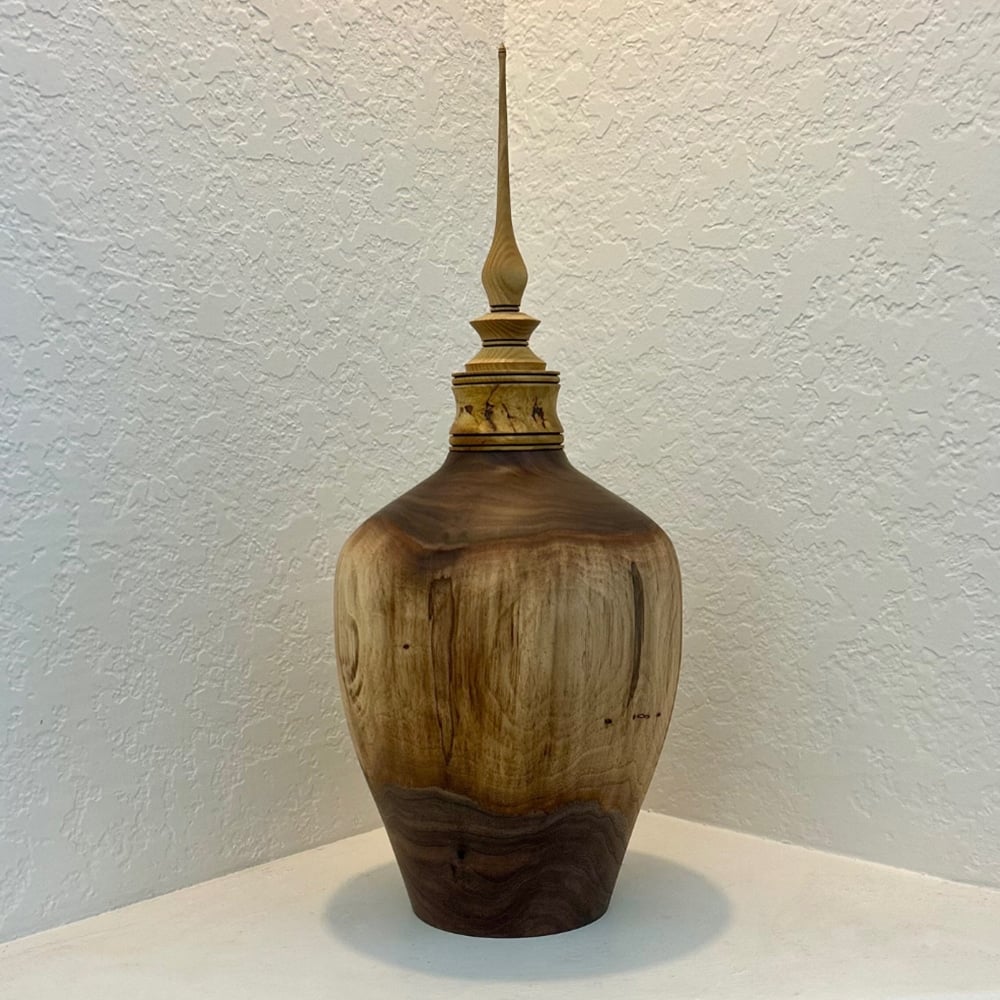
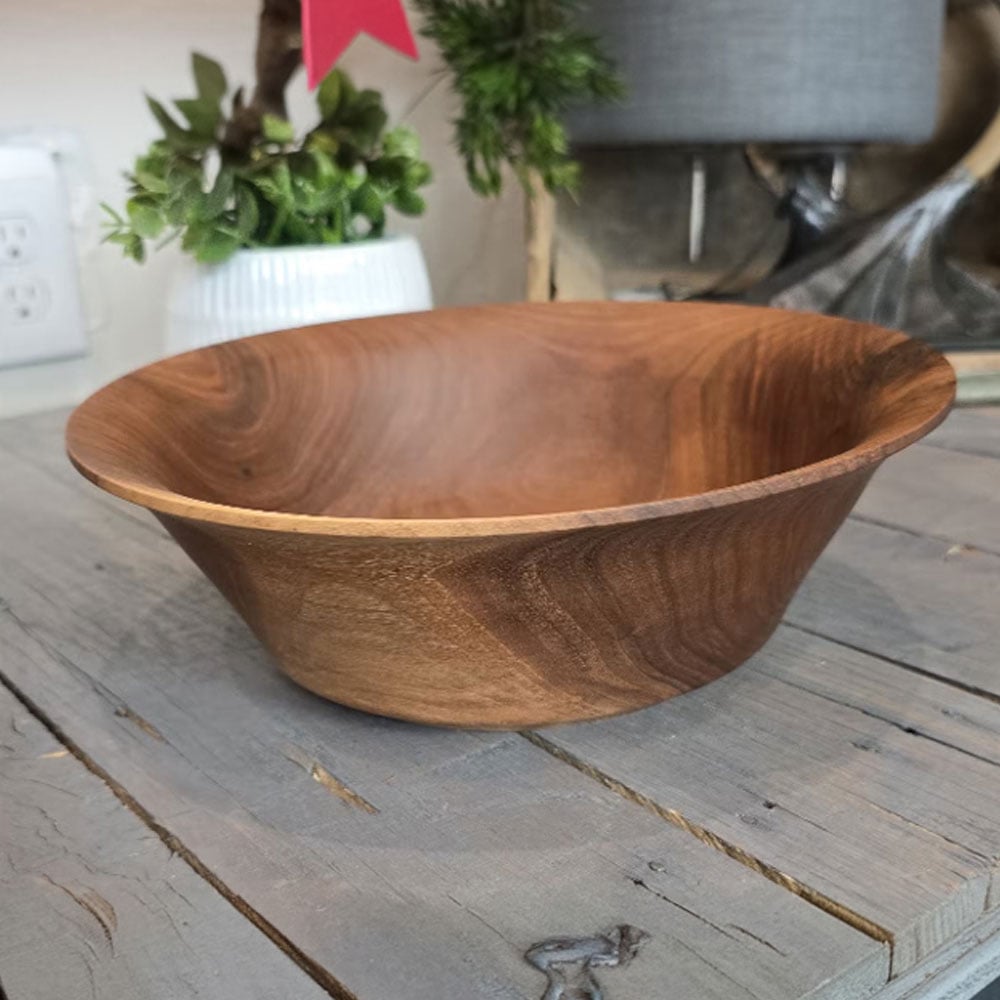
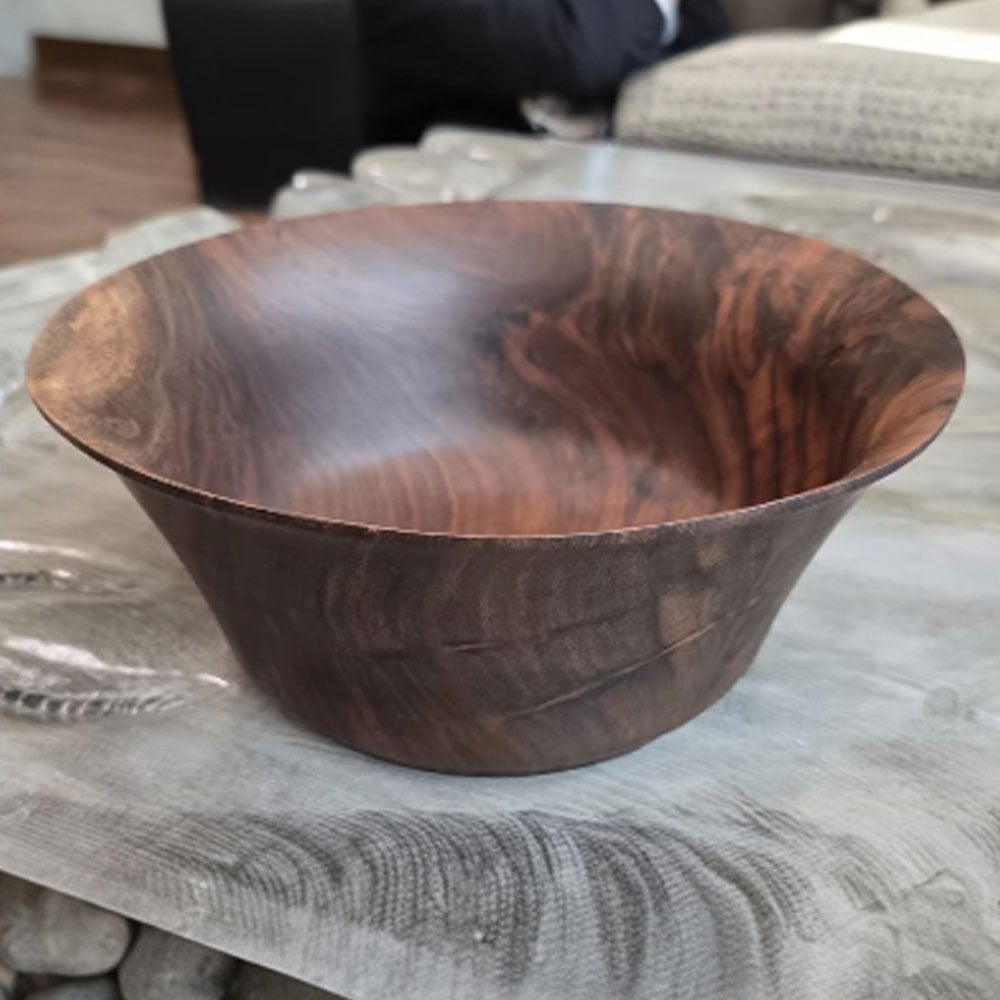
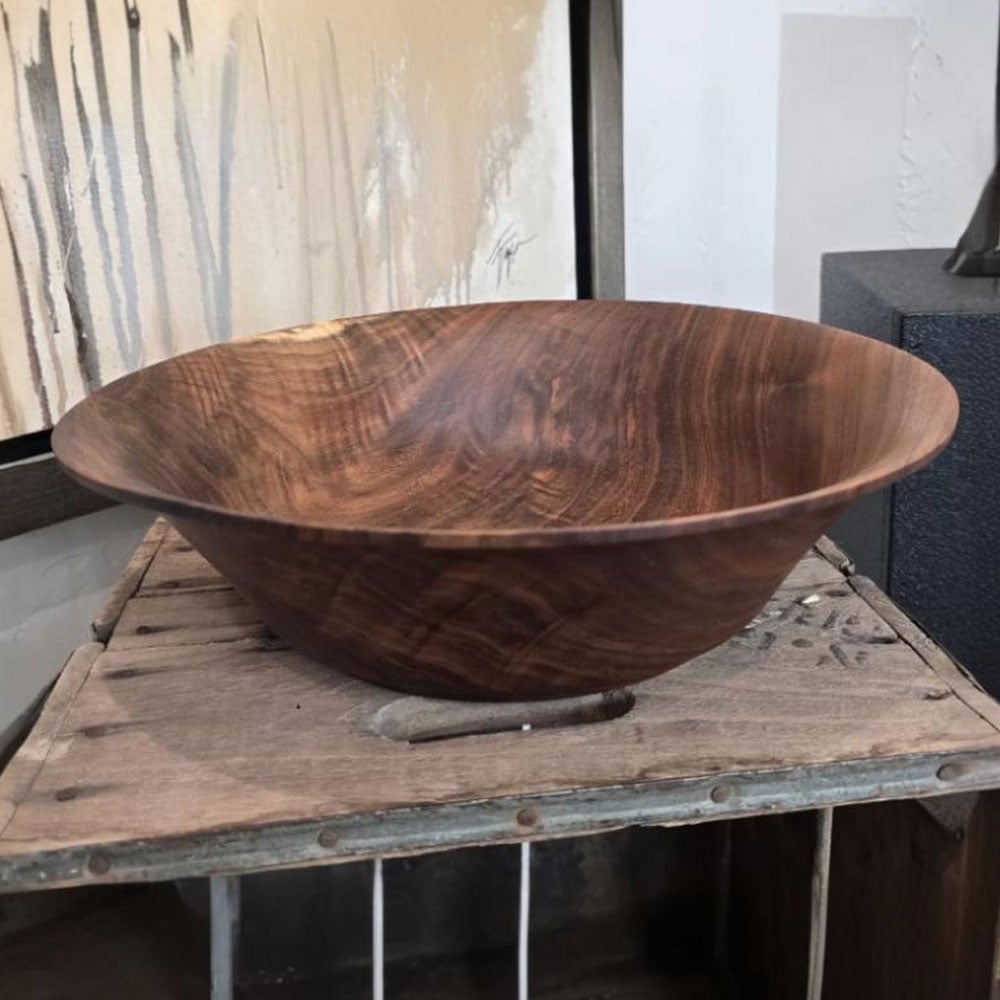
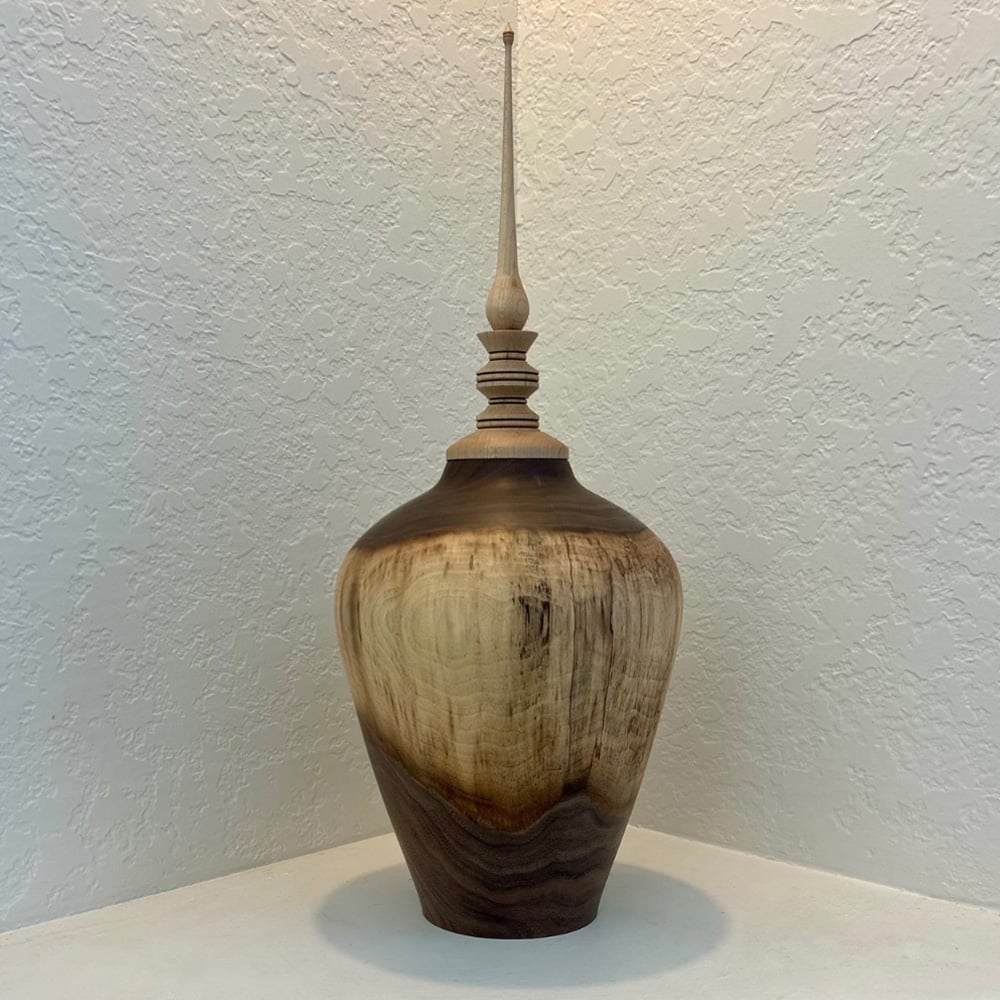
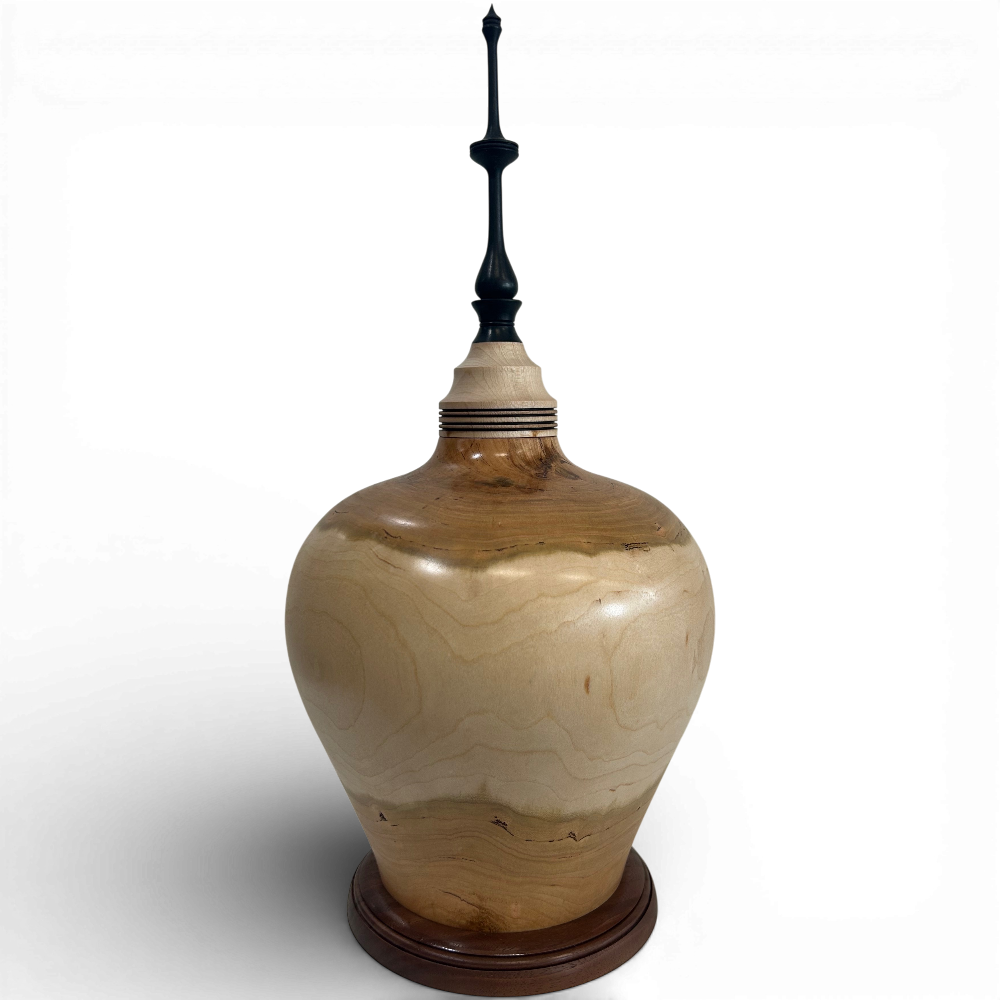
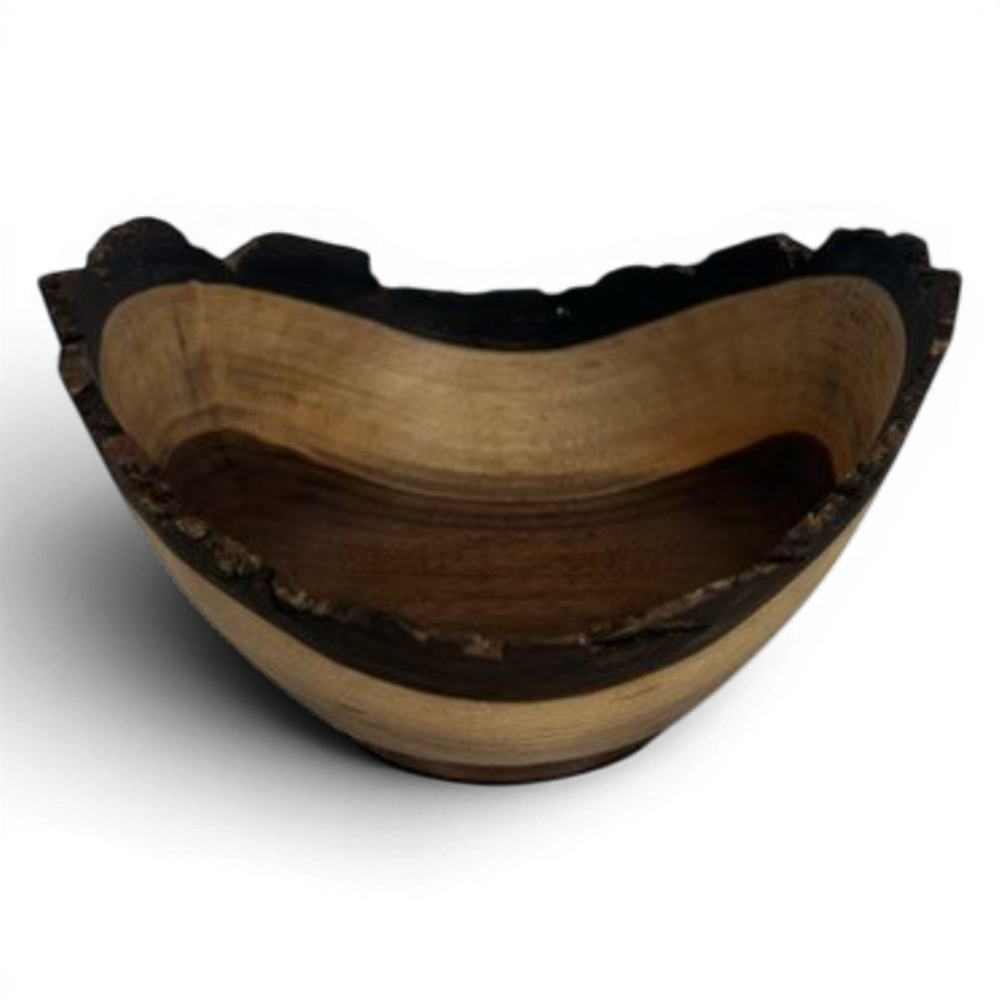
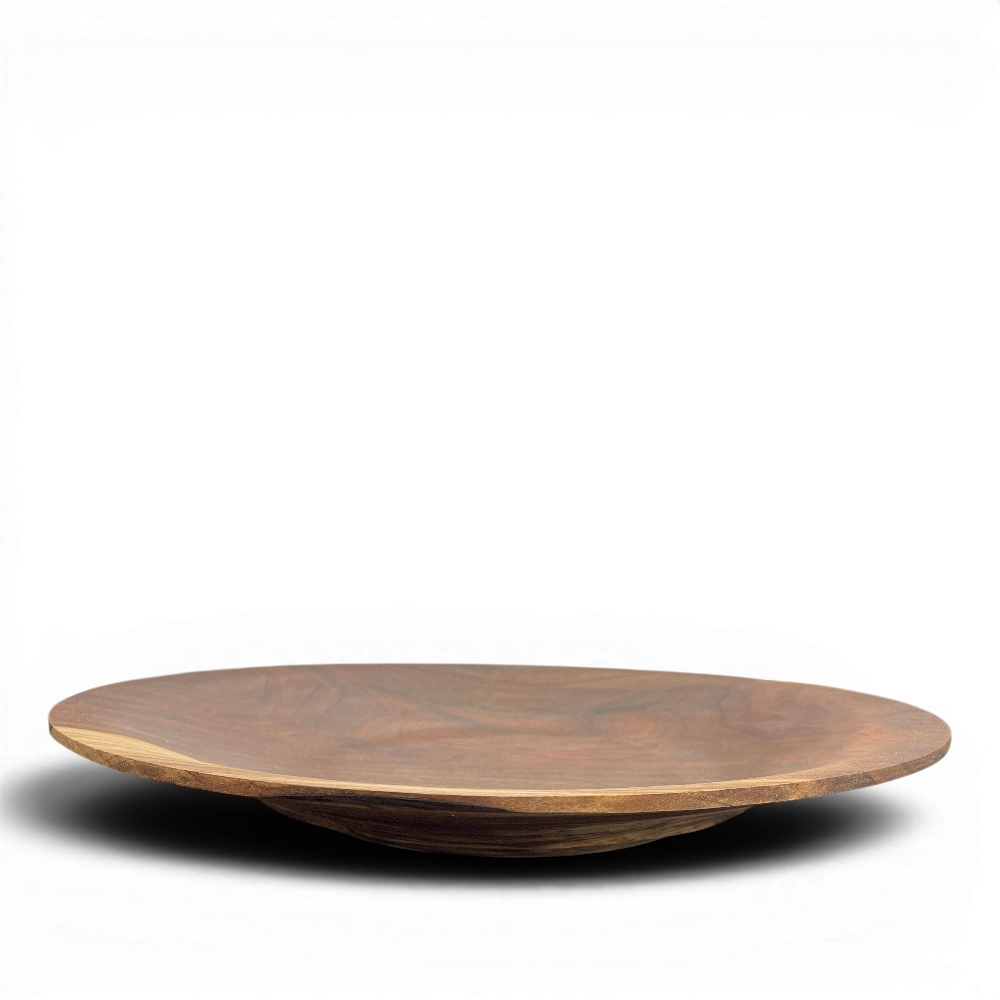
Among Tony’s body of work, his walnut pieces offer a perfect testimony to seeing beyond convention. “You’re seeing a lot of the sapwood on those pieces on the outside,” he explains. The sapwood is the outermost ring of the tree, and in walnut, that ring is distinctly pale. This layer provides a stark contrast to the rich darkness at the tree’s heart. But in traditional woodworking, the sapwood rarely makes it to the final piece and is instead sawed off.

Tony refuses to accept this incomplete story. He can see the beauty in the whole tree, not just the parts we’ve been conditioned to value. “This sapwood gives the piece more color, more character, and more beauty,” he explains, and you can hear the conviction in his words. By intentionally keeping and enhancing the sapwood, Tony creates vessels that honor the tree’s complete journey and creation. Most people walk past walnut logs never knowing about that hidden white ring, never imagining it could be precious. These walnut vessels don’t just showcase technical skill; they also demonstrate Tony’s versatility as a woodturner.

The Live Edge Bowl: Patience and Attention

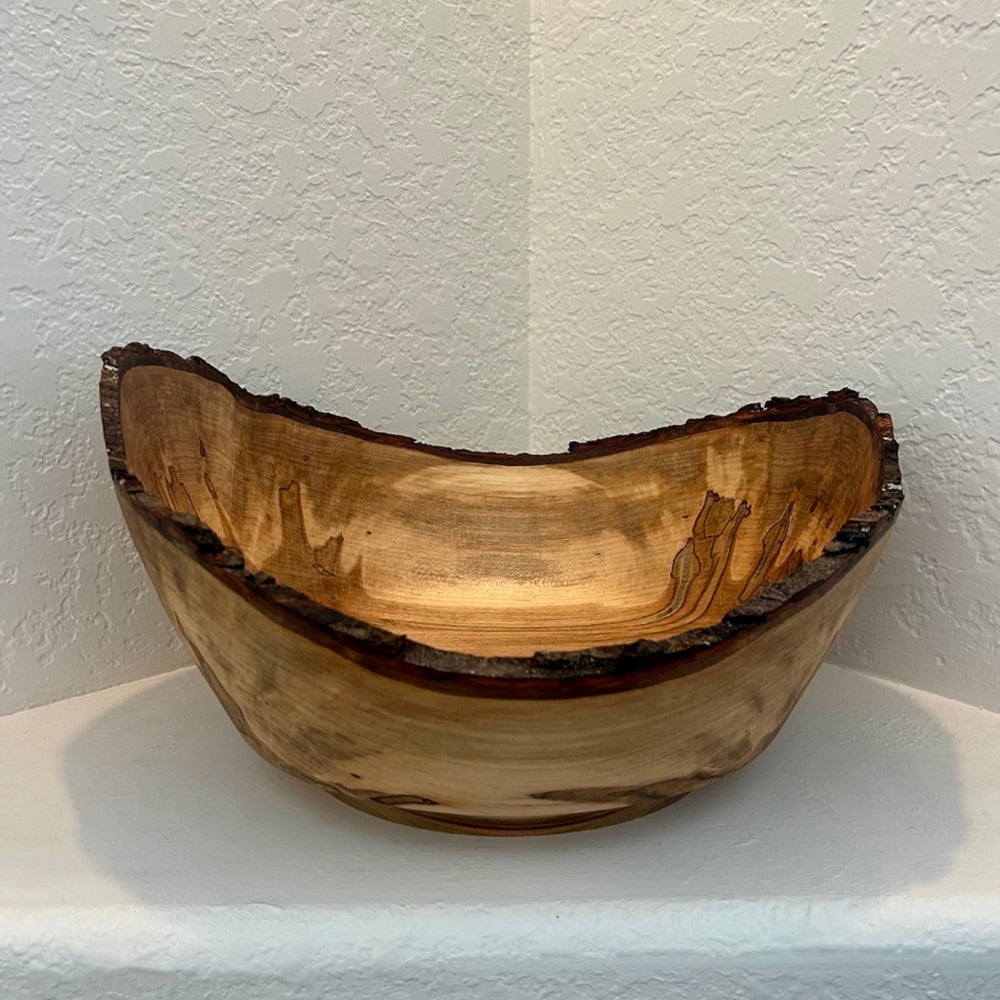
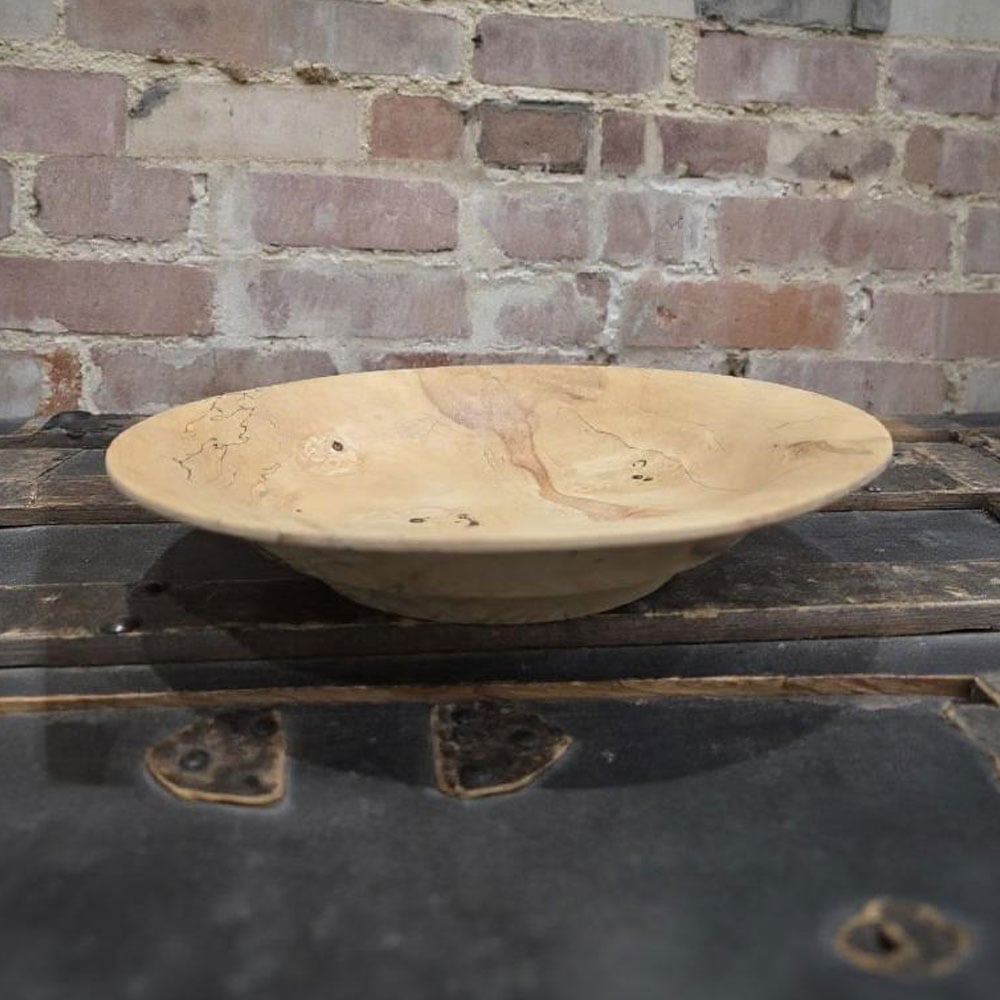
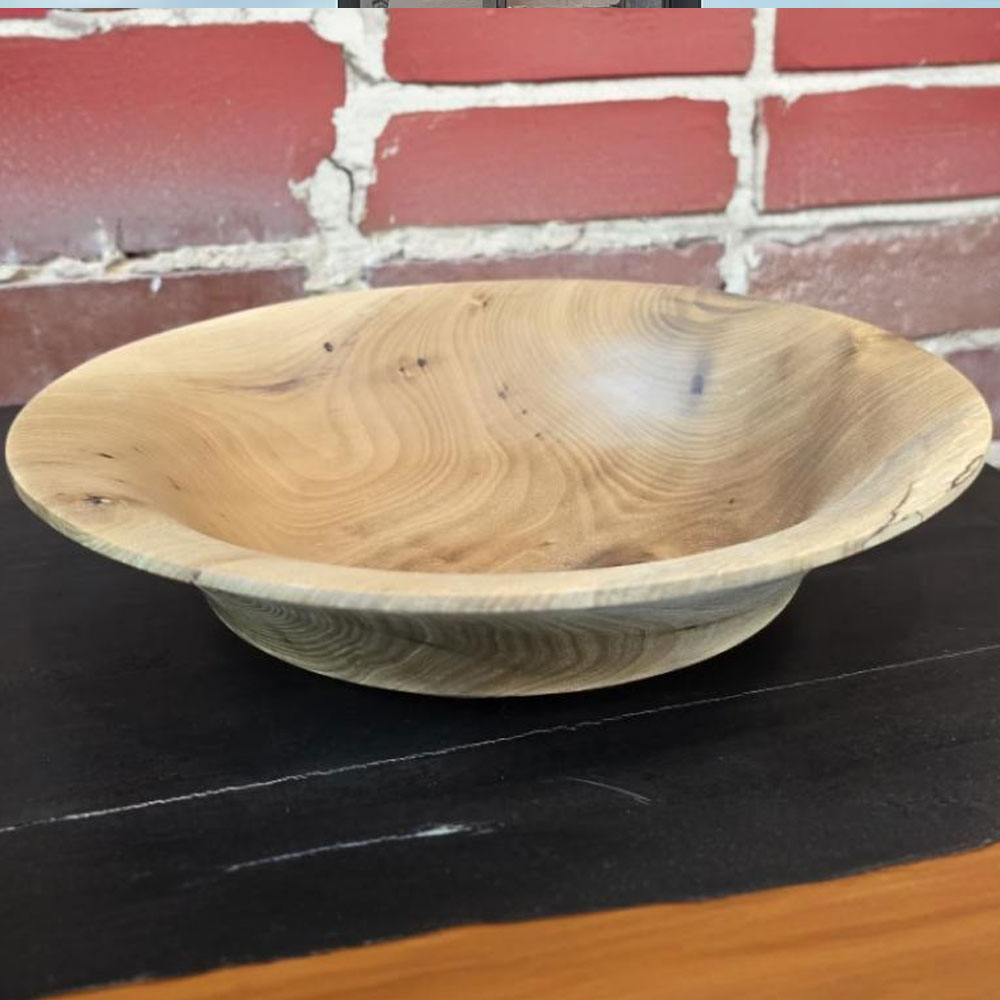
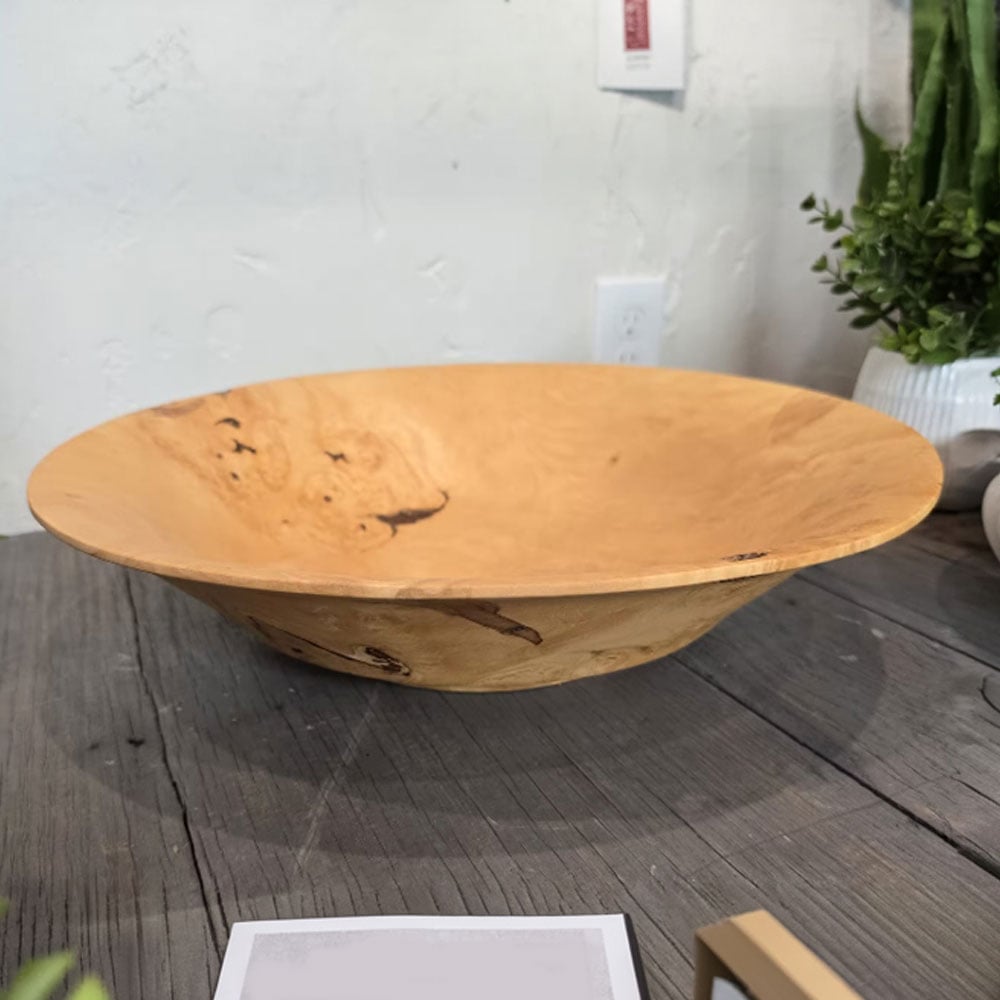
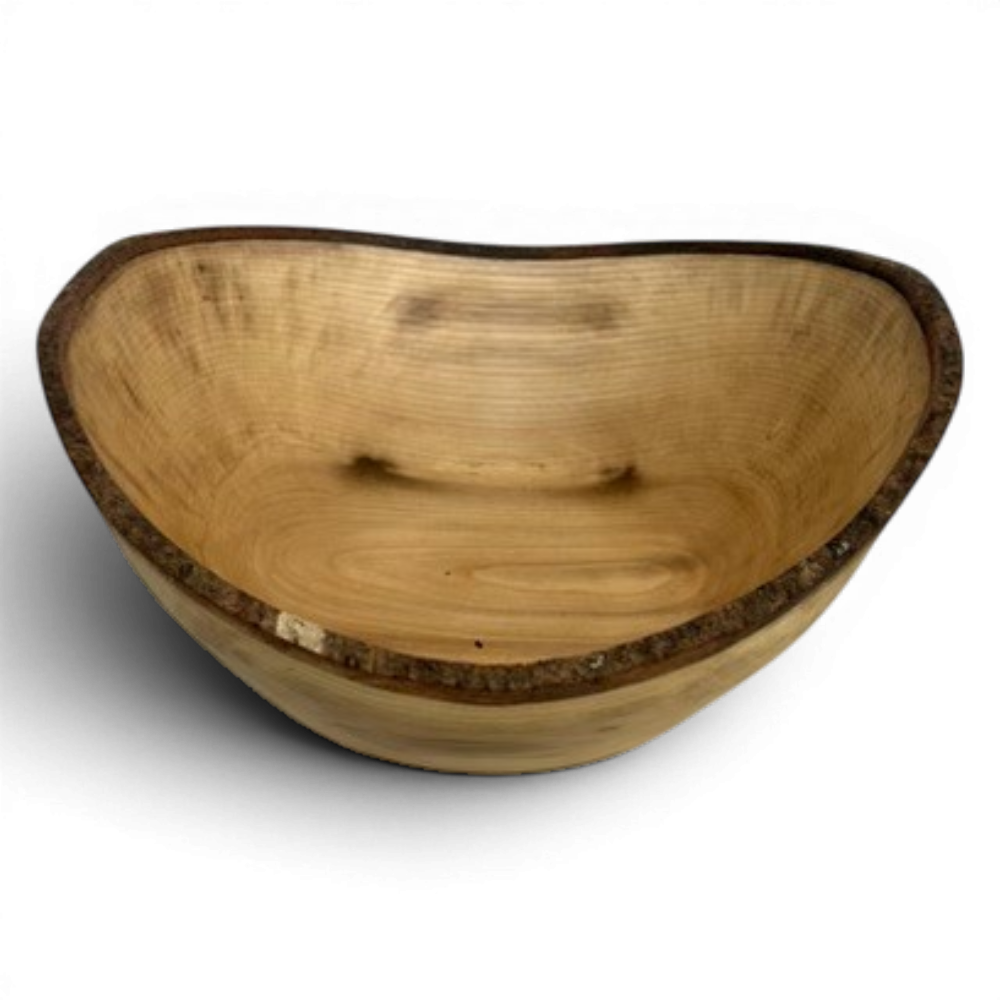
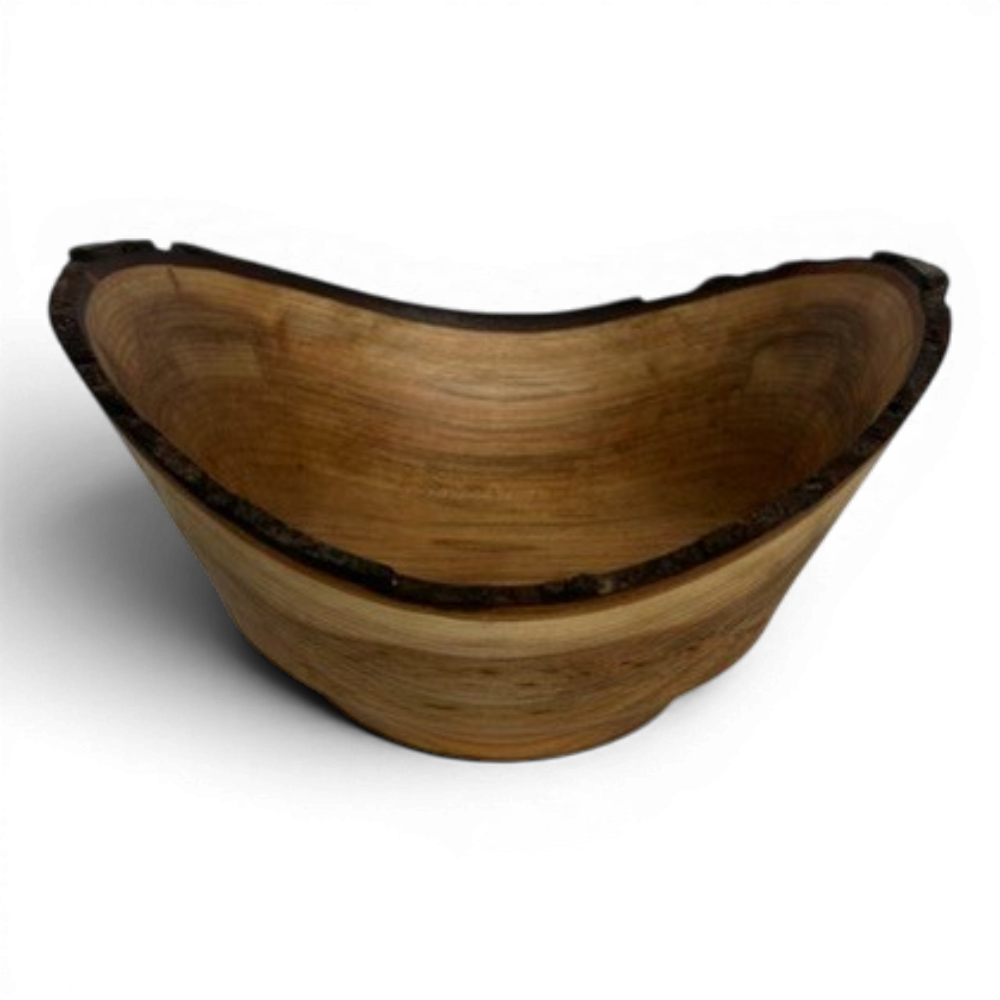
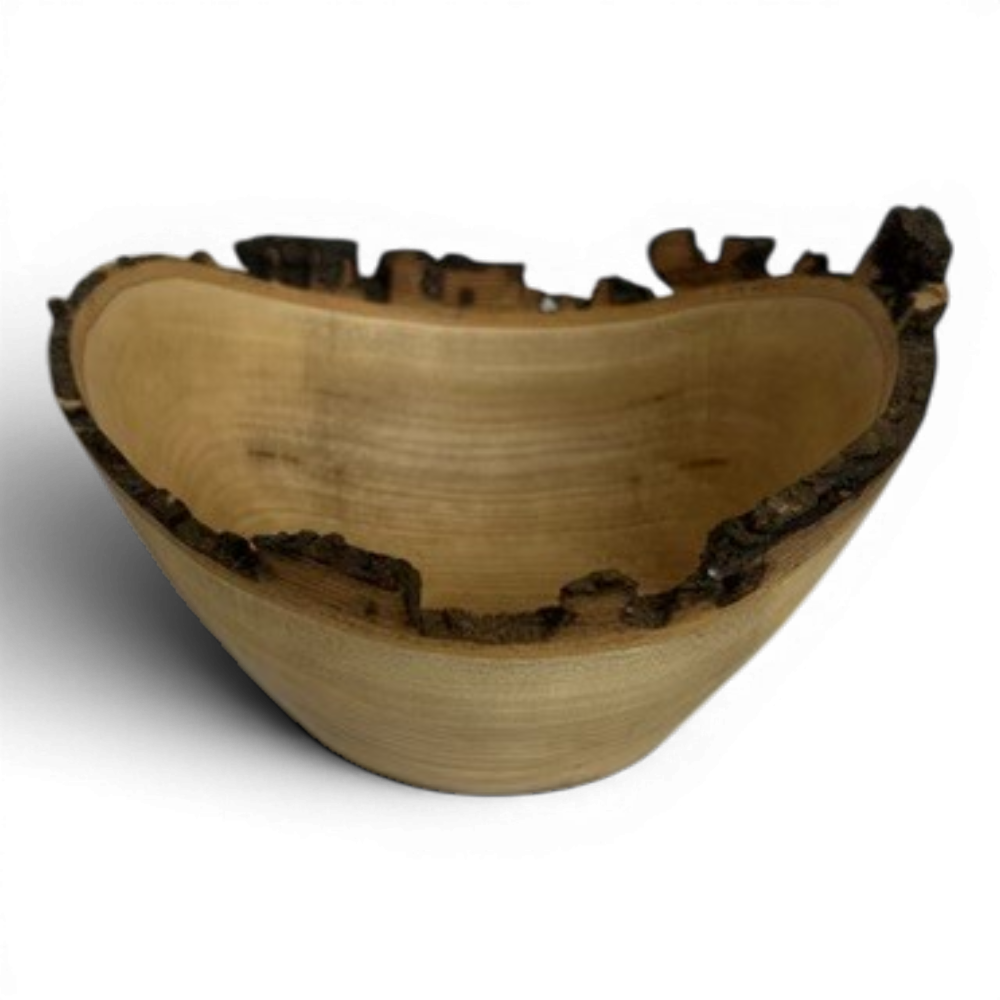
The live edge bowl shows another dimension of Tony’s work: his love for maple and the natural artistry created by insects. All of the color in this particular bowl comes from bug damage, and it’s exactly why Tony loves working with maple so much. The small indents appear when bugs burrow into the wood before it is cut, creating pockets for air that transform the wood’s coloring. What appears to be damage becomes decoration, nature’s own decision that no human could replicate.

Creating live edge pieces demands even more patience and attention than his other work. The uneven edge must be carefully maintained and kept consistent, requiring constant awareness and adjustment. There’s no room for autopilot when Tony is working with an edge that curves and dips organically.

The Artist Behind the Work

When asked what flavor of ice cream he would be, Tony’s answer perfectly captures his artistic philosophy: “I like pralines and cream. I also like nuts in my ice cream. I like the variety that while you’re eating it, you find different flavors and textures.”

The way Tony seeks variety and surprise in his ice cream aligns perfectly with what he looks for in his wood. The moment of uncovering those nuts, finding something unexpected in each bite, mirrors his experiences in the studio. Tony never knows what’s going to appear as he works deeper into a piece of wood. The hidden variety, the texture, the surprise, that’s where the joy lives, both in dessert and in art.

Art That Lives Where You Live

At Equine Instincts, we connect collectors with pieces that speak to who they are and how they live. Tony’s work embodies patience, respect for natural beauty, and the joy of discovery. Each piece reveals the beautiful story within the tree. Explore more of Tony’s artwork online at equineinstincts.com or in person at our Pop-Up gallery at Indoor Arena 2 at the World Equestrian Center.

Explore Tony Shipley's works

Ambrosia Maple Bowl – 16.4″

$300.00

Ambrosia Maple Bowl – 16.8″

$325.00

Box Elder Burlwood Bowl – 11.8″

$125.00

Black Walnut Wood Turned Bowl – 9.8″

$140.00

Cucumber Wood Turned Bowl – 9″

$140.00

Walnut Wood Turned Bowl – 10″

$125.00

Walnut Wood Turned Bowl – 10″

$175.00

Box Elder Burlwood Bowl – 16″

$275.00

Hollow Turned Vessel #1

$450.00

Hollow Turned Vessel #2

$450.00

Ambrosia Maple Live Edge Bowl

$450.00

Hollow Turned Vessel #3

$450.00

Hollow Turned Vessel #4

$450.00

Hollow Turned Vessel #5

$450.00

Cucumber 25 Live-Edge Bowl

$165.00

Ambrosia Maple 24 Live-Edge Bowl

$145.00

Hackberry 24 Live-Edge Bowl

$95.00

Walnut 25 Live-Edge Bowl

$80.00

Related News

Meet Ricardo Cardenas-Eddy

For life-long equestrian Susan McClafferty, photographing horses isn’t just a job. It’s the intersection of everything she loves and is most passionate about. During the week, Susan works as a consultant, bringing innovation, problem-solving, and technical expertise to a large healthcare system.

Read More

Meet Susan McClafferty

For life-long equestrian Susan McClafferty, photographing horses isn’t just a job. It’s the intersection of everything she loves and is most passionate about. During the week, Susan works as a consultant, bringing innovation, problem-solving, and technical expertise to a large healthcare system.

Read More

Subscribe to our Newsletter

error: